Is 'Fast Food' Really Cheaper Than Home-Cooked Meals?
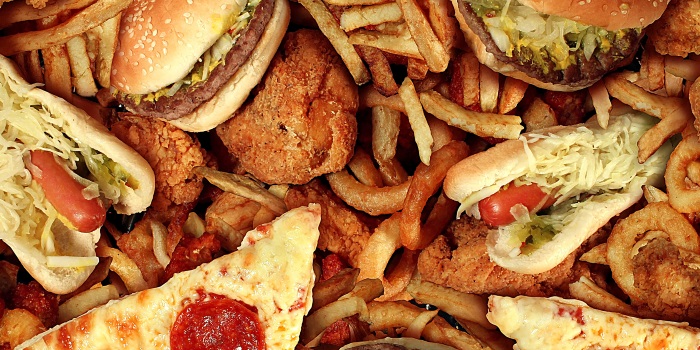
Sure, you probably figure you’re trading healthy options for the ease of ‘fast food’. But is it also costing you more?
The common misconception about ‘healthy’ foods is that they are not cost-effective, require energy to plan and prepare, and just aren’t as delicious as takeout.
Meanwhile, we are constantly being enticed by cheaper, faster eats. And as young adults, ‘fast food’ fits right into our fast-paced lifestyle.
The problem is not just the price of food itself, but the lack of knowledge consumers have when it comes to food preparation and nutrition. People are often lured in by the convenience and marketing of junk food, disregarding the detrimental effects on our own health.
So, here’s what you should know….
The Real Price of ‘Fast Food’
Generally, take away foods are highly processed, riddled with large amounts of excess sodium and drenched in old oil fryers. We’re also spending more on them than ever before. A study conducted by Agriculture Australia in 2012 found that spending on meals out and takeaway has been steadily increasing as a proportion of a household’s total expenditure over the last two decades.
Still, is it really cheaper than the ‘healthy’ alternatives, as many would assume?
Professor Amanda Lee led a research comparing the affordability of healthy and unhealthy diets in Australia. The study found that households spend more on unhealthy food than what would be required to spend on a healthy food diet. In fact, results from the study showed that 53 – 64 per cent of all household food budgets go towards discretionary food choices like takeaway.
You could halve your costs and make a healthy meal at home, like a home-cooked beef stew or just simple chicken and vegies. Buy your choice stock or make your own sauce, then add vegies, proteins and spices to add flavour. I guarantee you it will cost less (and probably last you for a few days if refrigerated).
And, Yeah, ‘Healthy’ Options Have Added Benefits Too
Getting into a healthy mindset at a young age helps preserve your current health and decreases your susceptibility to preventable diseases too. According to the Australian Institute of Health and Welfare, more than five per cent of our country’s total disease and injury burden is attributable to overweight and obesity. (Two per cent can be blamed on low fruit consumption.)
People may argue that eating ‘fast foods’ makes you feel fuller faster (become of the higher caloric intake) therefore vying for takeout saves time and ‘money’. Others may say the culture around ‘fast food’ induces those who want to try out the new fads or trends, creating a somewhat addictive routine. There’s no doubt that the amount of ‘fast food’ chains and easy access to their food triggers an emotional attachment.
At the very least, political and social rhetoric needs to be put into place to try and reduce the effects of these external factors and encourage healthy eating. The power of marketing has been a huge tool for ‘fast food’ chains to hold their place of power in the food industry. In 2016, McDonald’s spent $US1.6 billion on advertising in America alone. If nearly two billion dollars is spent on advertising one brand's ‘fast food’, then there is more of a reason for government organisations and NGOs to celebrate healthy good food.
The bottom line is that compensating a healthy meal for ‘fast food’ only provides short term satisfaction, and is not nearly comparable to staying healthy in the long term.
Now you have even more reasons to try out some new recipes and enjoy healthy and tasty food right from the comfort of your home.
Andrea Au is one of Student Edge’s student contributors. See more student contributions here.
Photo: iStock.com/Krylov1991
Topics
Ref: 4581d30e-d622-4fb0-a75a-a81800730253





Comments & Feedback
Share your opinion
Emoji cheatsheet Formatting Comment guidelines