How to Travel Responsibly and Keep It #Authentic

Travelling is guaranteed fun, but it could also teach you a lot.
This post is presented in partnership with Intrepid Travel.
We live in a world where travel between cities, countries and continents is getting easier every day. Whether it's by car, bus, rail or plane, travel is becoming increasingly affordable and (generally) hassle-free. But as more and more of us make plans to see the far-flung corners of the Earth, economies, and even cultures, are shifting to accommodate the influx of visitors.
This is why there's been a push toward promoting the idea of responsible, ethical and sustainable travel. In 2017, the United Nations even declared an International Year of Sustainable Tourism for Development, encouraging people to travel more sustainably rather than being a traditional tourist.
And while it might seem like a bit of snobby thing to say "I'm a traveller, not a tourist", did you know there is an important distinction to point out?
A "tourist" is seen in less-favourable light because of the stereotypes attached to it. Tourists are people who spend exorbitant amounts of cash to stay in five-star resorts in foreign countries, having limited interaction with the locals. The idea is that they just fly in, support industries (like luxury hotel chains) that erode local communities and culture, take a few pics for the 'gram and then fly out.

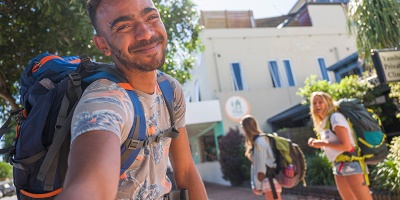
A "traveller", on the other hand, is seen as someone who isn't just there to see the wonders (manmade or natural) of the country but to experience the lifestyles of those who live there too. They want to eat the food the locals eat, they want to participate in their customs and they want to make sure their impact on the area is positive and minimal. That's something companies like Intrepid can offer; an ethical, authentic experience with a small group of other like-minded travellers.
If this sounds more like your style, but you're not sure how to get started, we've got you covered with some handy tips to help you have a good time while doing good.
Research is your first step.
Before any overseas trip, research is kinda critical. You'll probably need to figure out which city you need to fly in, how to get to your accommodation from the airport and what you want to do when you get there. You'll also need to study things like, 'Is it rude to blow your nose in public?' (because it can be in Japan) or 'Is it rude to thumbs up?' (because it can be in some Middle Eastern countries).

Avoid tourist traps.
This ties in with the crucial research element to your travel plans. Finding out what the city or country is known for and where you can go to experience it is what most of us plan when visiting a new country. The best thing you can do is read up on reviews of places and try and avoid the overpriced, gimmicky options.
Or, even better, if you're staying at a hostel or know somewhere you can ask a local, try that out. They do live there after all.
You won't always be able to avoid tourist traps but you can certainly opt for places that aren't visited exclusively by tourists. Thankfully, there are also a few travel companies that do the hard work for you, like Intrepid, who offer you tours that include local and sustainable accommodation, transport, meals and activities, so you don't have to worry about organising everything yourself.
Eat like the locals, not like you're at home.
There is a time and place for McDonald's and that time and place shouldn't be while you're travelling. Look, if you're light on time and cash and really struggling, you are dismissed, but one of the best things about travelling is experiencing other cultures.

For many, the best way to do this is through food, so jump on your laptop or phone, google "what to eat in [insert country or city name here]" and salivate over all your future favourite meals.
Visit local markets, not the shopping centres.
No, seriously, this benefits you and the locals. Firstly, the prices are less likely to be quadrupled and secondly, unlike cheap knock-offs, you're more likely to find hand-crafted traditional works you won't find anywhere else.
While we do mean this tip literally, it can be extended beyond just the 'local markets versus shopping centres' debate. As always, it's best to support the local economy over the big companies that step in and curb local profits. It's not always possible or immediately obvious but if you at least have that in mind, the best you can do is try.
Step outside the cities.
Many fresh travellers make the mistake of travelling solely to the cities when visiting a country. In some cases, it's just easier (and safer). Especially for Australians, it's mind-boggling to comprehend walking on stones laid thousands of years ago compared to our nation's 20-year-old concrete. However, some of the best stuff a country has to offer can lie somewhere between the major cities, and that's why we recommend spending a few days outside a capital city when possible, or even taking day trips from the city.
... but while you're in cities, walk everywhere.
The best way to get to know a city is by walking. While it's true that catching the subway or a bus is also a great way to get around if you need to cover ground quickly, walking means you see all the stuff in between.

Make sure you research where it's safe to walk beforehand and always let someone know where you're heading if you're travelling alone.
Learn the law of the land.
You expect tourists in Australia to understand the laws of the land so it only makes sense that you do it too when abroad.
Obviously, no one's expecting you to be a legal professional for each country you visit (especially, if it's just for a few days) but make a point of doing a bit of research to see if there are any laws that stand out. SmartTraveller might give you a brief overview of each area but it's best to find out some more detail. For example, some countries prohibit photographs of government buildings and doing so could land you in some seriously hot water, and for LGBTQIA+ travellers, it's helpful to understand whether the destination is queer-friendly.
Register with SmartTraveller and get travel insurance.
Some places you might go to could be remote or volatile, and without access to the internet, you might have trouble letting your relatives and friends know you're safe. A good way to avoid some awkward situations is to register your travels with SmartTraveller, so that the government can use their resources to account for you in disasters or political instability.
Another important thing to add is travel insurance. While it may feel like an optional cost because it's taking money from you in case of a hypothetical situation, travel insurance is highly recommended. It will be your best friend in the event that anything goes south. From physical injury to getting stranded in the middle of nowhere, travel insurance will have your back and make sure you're not too out of pocket for it.
Most of all, enjoy yourself.
At the end of the day, no one wants to be plagued by constant ethical decisions like Chidi from The Good Place.

Without making this a lesson in ethics, it's important to take into consideration your travel plans and figure out who they're benefiting.
If it's you and a local economy, that's great! If it's you and a company that has a pretty shocking record for the working and living conditions of its workers (or maybe even animals), then that's when your ~magic~ ethical consideration comes into play.
Ultimately, however, you are your own judge and you make the rules.

Is travelling on the to-do list for 2019? Student Edge members 18 – 29 years old can get 10% off when you book a tour with Intrepid!
Header Image: iStock.com/krystalwares





Comments & Feedback
Share your opinion
Emoji cheatsheet Formatting Comment guidelines