How to Get a Refund on Your Used Containers and Cans in WA
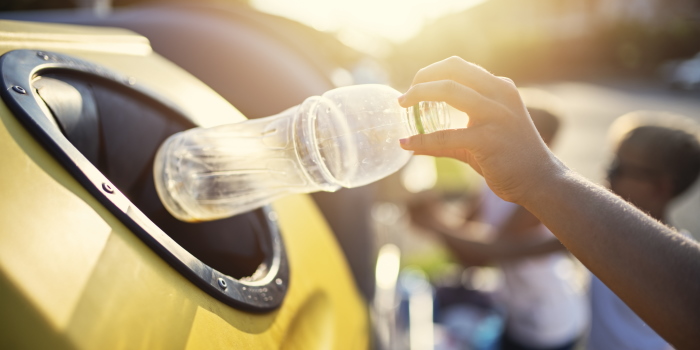
Reduce, reuse, recycle!
It’s official! 1 October marks the start of Western Australia’s Container’s for Change scheme, allowing you to return your empty containers and bottles to collect some small change.
Eligible refund points open up all over the state this month so WA residents can conveniently drop off their recycling.
So, now that you’ve been collecting all your bottles and cans for the last few months, you may be wondering why, where and what you can drop off. Let us answer those questions for you.
It's here. Find your nearest refund point and more information about WA's container deposit scheme at www.containersforchange.com.au/wa
Posted by Mark McGowan on Wednesday, September 30, 2020
Why now?
WA has been in talks to start a container deposit scheme for years but never got round to it until now.
The scheme aims to encourage recycling around the state to keep our environment cleaner and safer.
Both Queensland and South Australia have already implemented container deposit schemes and it works wonders for both the environment and their pockets. South Australia in particular has been running their scheme since 1977, so it’s about time Western Australia got their own.
Initially, the scheme in WA was set to kick off on 2 June this year but due to COVID-19 risks, it was postponed until 1 October.
The State Government has announced that the launch of Containers for Change will be delayed. We were scheduled to launch...
Posted by Containers for Change WA on Tuesday, March 31, 2020
How does it work?
The way it works is actually easier than you might think. As Containers for Change says, "it’s as easy as 1,2,3…"
Simply collect eligible containers, take them to your local refund point and earn a refund of 10 cents for every eligible container that you donate.
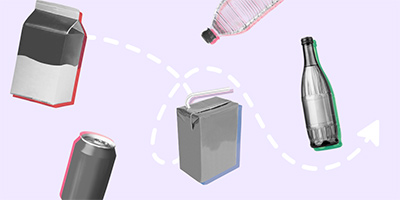
Items accepted by the scheme include most aluminum, glass, plastic, steel and liquid paperboard drink containers between 150ml and 3L.
Even lids are accepted, but double check on the Conatiners for Change website before you donate.
It’s important to make sure your containers are clean and display the refund mark stating "10c refund at collection depots/points in participating State/Territory of purchase."
Containers that aren’t included are basically anything smaller than 150ml or larger than 3L. This includes plain milk containers, any glass containers that have contained pure spirits or wine, containers 1L or larger that have contained flavoured milk, pure fruit or vegetable juice, registered health tonics, and cordial or syrup containers.
If you’re still unsure about a certain container, you can use Containers for Change eligibility checker on their website.
All containers that you deposit get you a 10c refund but there are several ways that you can collect this change.
If you sign up for Containers for Change’s scheme ID service, your refund will be paid via EFTPOS directly into your bank account, making it super convenient. You can sign up and get your individual scheme ID here.
You can of course choose to collect the cash refund immediately as you donate instead, or you can donate the change to your preferred charity.
Some refund points also offer retail vouchers as payment, so be sure to double check what you are receiving in return.
Where can I drop off my containers?
You may now be wondering where on Earth you can drop off all of these containers. Surely, it’s a long drive away?
Actually, there are refund points scattered all over the state. Some are as a depot, some are bag drops, others are reverse vending machines and some are even pop-up refund points so there is sure to be one close to you.
To find your nearest drop of point, you can search your postcode or suburb here.
So now that it's so much easier to recycle, it's time to get out there, start collecting and cleaning up our environment!
Header Image: Imgorthand via Getty Images
Topics
Ref: 524a341f-e126-4880-a76f-ac47007729b2



Comments & Feedback
Share your opinion
Emoji cheatsheet Formatting Comment guidelines