How to Deal With Workplace Bullying
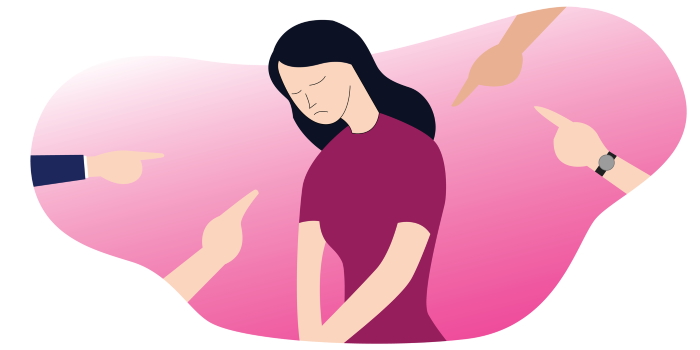
We asked an expert how young people can deal with bullies in the workplace.
Having a job when you’re young gives you a chance to meet new people, gain confidence and new skills, and, of course, get paid.
But what happens when this is threatened by bullying? Going to work suddenly becomes incredibly stressful and uncomfortable.
According to a survey by Reach Out, one in four people aged between 14 to 25 are bullied in a year, and 25 per cent of the time, it occurs at work.
Knowing what to do and where to go for help can be hard when we’re put through emotional stress. That’s especially the case when you’re in the workplace, where you figured most people might have grown out of bullying.
We asked Kelly Van Nelson, an award-winning and bestselling writer and poet in resilience, not to mention Managing Director of Adecco Australia, how to deal with bullies and the steps to make it stop.
Like many of us, she was the victim of bullying, so we were pretty keen to hear her advice.
First of all, bullying happens.

This is what Kelly coaches her clients because, alarmingly, she still sees bullying happen even in the corporate world.
"It’s not industry specific, it can be in any kind of workplace or office or shop or café," she tells Student Edge.
"It hasn’t got a particular demographic. It can happen to anyone, anywhere."
Bullying has many disguises.

Van Nelson points out that as we get older, bullying tends to become more strategic and complicated. Instead of being physical, bullies swap their punches for emotional tactics like blackmailing, humiliation, gossip or exclusion.
"Physical bullying, everybody knows it’s wrong, whereas you can get much more subtle types of bulling in the workplace which can be much more damaging," says Van Nelson.
Even in today’s social media era, she adds, bullies are finding ways to target people.
"I think people feel it’s more impersonal. So you can post something and it’s done in a way that’s a little bit faceless or emotionless because it’s done online. It’s harder to say something to someone’s face or indirectly to type something in on a message or a social media platform."
How to cope with bullying at work.

Okay, here's Kelly Van Nelson's four-step process.
1. Tell someone
"One of the first things is to try and talk to someone you trust," Van Nelson says.
"You probably want to keep it and internalise but that’s the worst you can do for mental health and yourself. So if you can find someone you trust and talk it though with just ease some of that stress factor around it."
2. Keep a record
It’s a good idea to keep a bullying diary. You may need this if you decide to report the issue.
- When it happened
- Where it happened
- What was said
- How it made you feel
3. Make a formal complaint
Find the official bullying policy for your workplace. (It may be in your contract.) This will give you details about who to contact and the steps to take to get your concerns escalated.
Van Nelson says, "Organisations will allow you to do it in an appropriate manner that you can have a confidential meeting about what’s happening and seek advice and help.
4. Take control
Situations like bulling test us emotionally, but we often learn that we are stronger than we thought. By knowing our own strength we can shift the power from the bullies and empower ourselves.
"It’s 100 per cent to do with your own emotional strength," she says.
"The first thing I always try and coach people myself on is knowing your worth.
"You can never control what the other person is doing. People behave how they behave and they’ve got their own things going on. But you can control yourself and control your own emotional strength and you can do that though the hard times and the good times by dealing with your challenges and finding that strength you didn’t know you had."
The silver lining...

If there can be a positive to come from this, it’s that more and more people are coming forward about their bullying experiences, meaning it’s becoming less and less tolerated.
"We’re in an age now where people want to stand up for what’s right and you’ve got different movements like the #metoo movement, where behaviour now has just got to be more respectful and more inclusive and it’s just not deemed acceptable," says Van Nelson.
"I think now it’s a more outspoken era.
"Stand firm, stay cool and keep your calm and don’t be pushed into a corner. Keep your emotions in check and if you don’t know what to do in that moment, do nothing."
Header Image: iStock.com/ribkhan
Topics
Ref: 0082fdb0-6efb-4160-9977-aabf005a10d1





Comments & Feedback
Share your opinion
Emoji cheatsheet Formatting Comment guidelines