Left It ‘Til the Night Before? Here’s the Proper Way to Cram for Exams
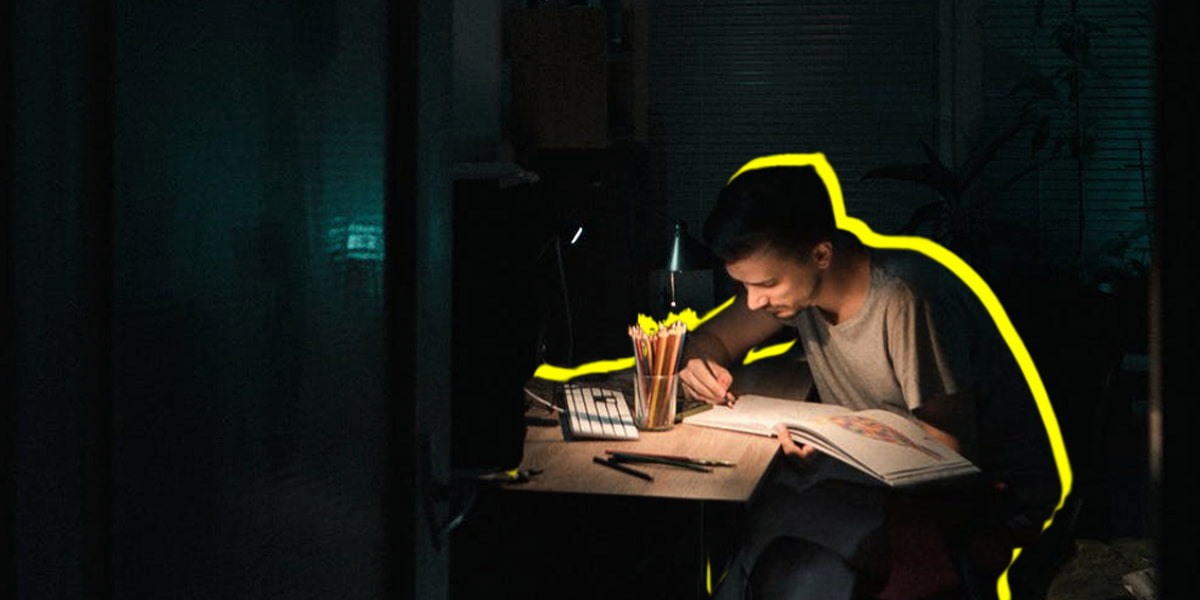
It’s not an all-nighter if you don’t start hearing the birds chirp.
It’s a lifestyle. And sometimes, it is unavoidable.
As much as your teachers love to give it a bad rap, there are ways you can make cramming for exams an effective method of study. And we know 99 per cent of students admit to doing it, so why not do it the best way possible?
Set realistic expectations.
We’re being optimistic here, but don’t set the bar too high. There are some less-than-ideal things to be aware of.
Cramming only works best for next-day exams because you develop no lasting or deep understanding of the knowledge. Don’t expect to retain any information from your mock Modern History exam for the final one.
Be aware that this method of study can increase your stress levels by overloading your brain with excess information and placing time pressure upon yourself.
Plus, you’ll have to forgo a lot of healthy practices, including getting adequate sleep or breaks.
And tbh, we would recommend getting a good night's sleep and revising for your exams ahead of time. But desperate times call for desperate measures.

Reduce distractions.
It’s time to create the perfect ‘cramming oasis’ if those words don’t completely contradict each other. Having a short amount of time to ingest a whole semester’s (or year’s) amount of study means you need to optimise your focus!
There are plenty of apps for getting that TikTok-attention-span brain of yours kicking into gear for longer sessions. Some great ones for your phone include Forest, which grows a virtual tree for every hour of study you do, and Focus Keeper, which breaks your work up into smaller units of time.
That’s your virtual environment sorted—now, ensure your physical space is devoid of comfy beds and tempting places to lie down. If possible, don’t study in your bedroom!
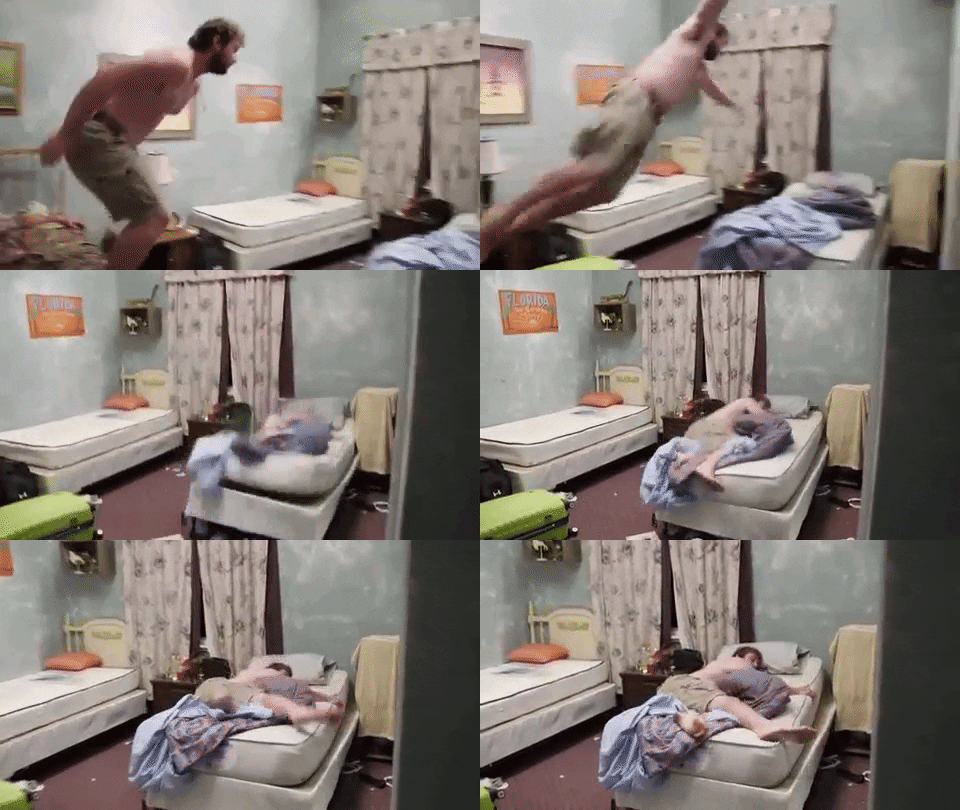
None of this^, please.
Sort out your priorities.
Lists are essential, but we're gonna stop you there before you start using gel pens and glitter to make your planner all pretty.
The key is prioritizing what you need to review:
- What do you know the least?
- What questions did you get wrong on your last test?
- Is your essay structure weak, or your memorisation of quotes?
A simple way of knowing where to start, is to differentiate between what needs to be rote learnt or actively learnt.
‘Rote learning’ refers to things that can be memorized through continued repetition, like math formulas, book quotes, or when the Bolshevik Revolution was (1917—that’s ingrained in my head forever). You can chuck these into a flashcard app like Quizlet and get that done, easy.
'Active learning' is where you are actively engaged in learning something through tasks like discussing course content, engaging in an activity and analysing info.
Re-organise the information.
You can’t really just write out an in-depth analysis of the US electoral system a hundred times and expect yourself to remember it all: especially when you don’t know what the actual essay question will be.
The writers over at Mind Hacks explain that it’s far more important to “reorganize the information so that it has a structure more likely to be retained in your memory”. Basically, you need to rewrite the content to best suit your learning style.

(Image: University of Wollongong)
What works best for you? Do you need to visualise the information? Draw out a mind-map. Do you need to hear it? Record yourself reading aloud or make up a short jingle for the periodic table. Find out your learning style using this guide.
Emulate the actual exam.
It’s time to pull out those 50 per cent graded papers you tried so hard to forget about. The questions you got wrong are—believe it or not—your greatest weapon, and whatever was in past exams is very likely to show up again.
Pop on a timer and pretend you’re doing the very exam you’ll be doing the following day. No cheating, no excuses.
Prepare for the next day.
You really should be getting seven to eight hours of sleep the night before to optimise your alertness during an exam. But, okay, we understand that’s not possible sometimes.
Texas A&M University gives an absolute minimum of three hours, with the best times to sleep being between 2 am to 6 am. I’m yawning just thinking about that.

To combat tiredness while you’re studying, use a light, sit up, avoid your bedroom, and stay hydrated.
Eat lean proteins and avoid coffee and greasy foods. That caffeine can cause anxiety and a rambling flow of thought, despite however much you think you need it!

Don't do this too often.
I’ve done it. You’ve done it. Your dad’s probably done it. And Olivia Rodrigo, has most likely done it. But we can’t all escape our exams and become Disney stars, unfortunately.
But we'd use this method sparingly.
Header Image: Kulik Stepan via Pexel
This article was originally published 01 November 2021 and has since been updated.


Most Popular
Comments & Feedback
Share your opinion
Emoji cheatsheet Formatting Comment guidelines
Caffeine can cause anxiety and a rambling flow of thought? This explains a lot!