How Layne Beachley Went From Being Kicked Out of the Water to World Surfing Champion
It is safe to say that Australian surfer Layne Beachley has experienced her fair share of success. Beachley—who is regarded as the most accomplished female surfer in history—is the only surfer (male or female) to claim six consecutive world titles between 1998 and 2003.
However, as the recently released documentary Girls Can’t Surf helmed by Christopher Nelius highlights, her journey to success certainly didn’t come easy.
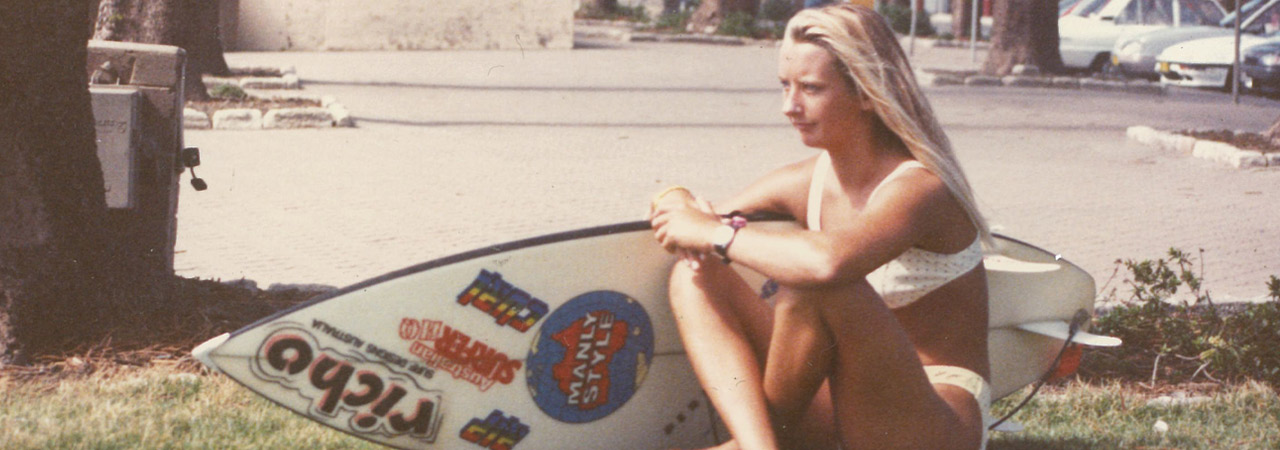
There is a reason they called it Girls Can’t Surf, after all. Beachley, who is interviewed throughout, recalls times where she was even booted out of the water simply because of her gender.
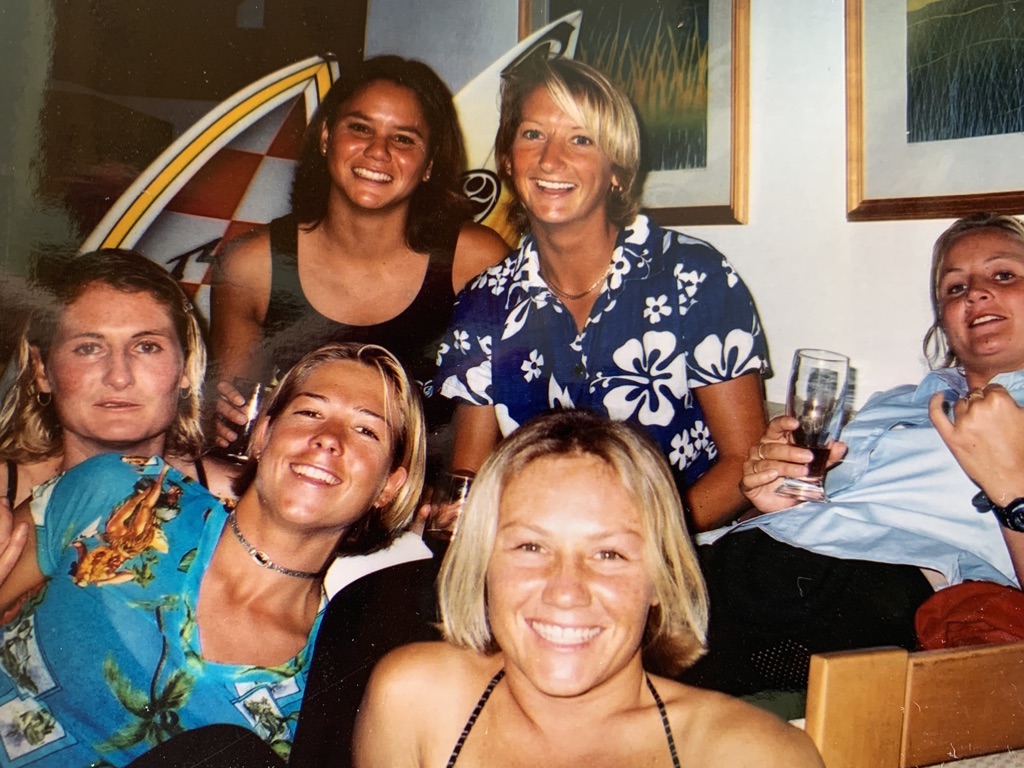
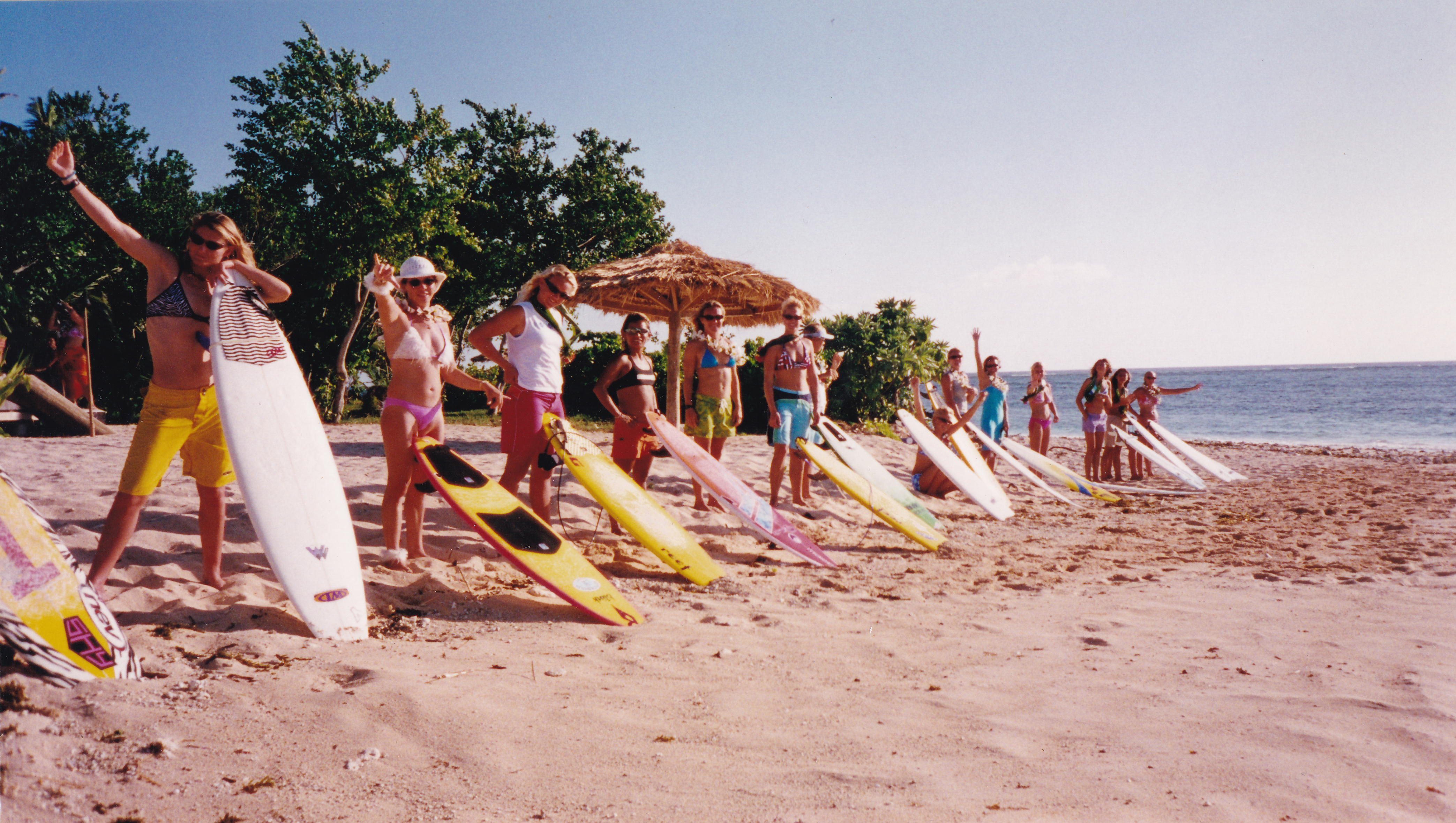
The doco also features interviews with surfing legends Lisa Anderson, Wendy Botha, Pam Burridge, Jodie Cooper, Pauline Menczer and Frieda Zamba as they recount the discrimination and personal challenges they faced as female surfers throughout the ‘80s and ‘90s.
As Beachley tells Student Edge over the phone, she felt largely unsupported by the surfing industry and her male competitors early on in her career.
"There was challenge, hostility and threats where I felt devalued and discriminated against," she says.
"The surfing industry really didn’t believe in women’s surfing and didn’t support us wholeheartedly. The surf media didn’t provide us with many opportunities to be promoted or represented.
"Our male counterparts were quite disrespectful. From my personal experience, being kicked out of the water just for being a girl was probably the most hurtful moment."
Girls Can’t Surf provides powerful examples of this hostility, with former world champion Damien Hardman seen saying, "I think they just need to look like women. Look feminine, attractive and dress well."
The highly sensitive doco also draws attention towards issues including sexuality, body image and the notable disparity in prize money between male and female surf champions.
Beachley recalls how overjoyed she felt when she heard that the World Surf League (WSL) would award equal prize money for male and female surfers in 2018.
"When I was kicked out of the water as a girl I cried, and when the WSL called me to let me know that they were doing this, I cried," she says.
"I was so relieved to know that the battles we fought amounted to pay equity."
Beachley—who started teaching herself how to surf when she was only four in Manly, New South Wales—first won the title of ASP World Champion in 1998. From there, she earnt the prize again in 1999, 2000, 2001, 2002, 2003 and 2006.
As Beachley explains, she felt an immense amount of pressure to keep succeeding after winning her first world title.
"The year before I won my first world title, I became aware of something that was holding me back, and that was my fear of rejection," she says.
"I became aware of that, so I was therefore able to stop those negative thoughts from sabotaging my future success and I was able to turn it around.
"But after I won my first world title, I fell straight back into that loophole of fear. Now, all of a sudden, I had all these lofty expectations of myself to be twice as good as I was before."
Beachley points out how her definition of success is very different now, and she has been able to achieve it by sticking to her values.
"I define [success] by how I feel, quite honestly. I’ve travelled the world, earnt good money, and I’ve got a wonderful marriage, but I wouldn’t be able to manifest any of this if I wasn’t happy with who I am," she says.
"The times I have made the biggest mistakes is when I’ve compromised or strayed away from my values. Success to me is living life according to your values and choosing to be a good role model.
"I no longer define success by achievements or accolades or titles, although I’m fortunate that I have all of that underneath me."
If Beachley could give other young surfers a piece of advice, she’d encourage them to be respectful towards their peers.
"Be respectful. There’s a lot of young people on this aspirational trajectory to be the best in the world because they want the fame, the fortune and all the glory that comes with it," she says.
"With all of that comes responsibility, and the responsibility essentially is to be a good human being. Just don’t forget who you are or where you come from."
Girls Can’t Surf is in Australian cinemas now. It is rated M for coarse language.
Header Image: Madman Films