Hold Up—How Does Scaling Actually Work, And Does It Really Affect Your ATAR Score?
There’s always a few—you know the kind. The students on a dodgy-looking website frantically inputting all their subject marks, figuring out how scaling will affect their final ATAR score.

Maybe that’s you, and you’re beginning to wonder if this whole thing is a sham. After all, your mate’s other friend’s sister’s boyfriend did all the ‘hard’ subjects and still didn’t get the ATAR he wanted!
Well, we can confirm that scaling is not a sham… but it is bloody confusing.
We asked you if you understand subject scaling. Here’s what you said:
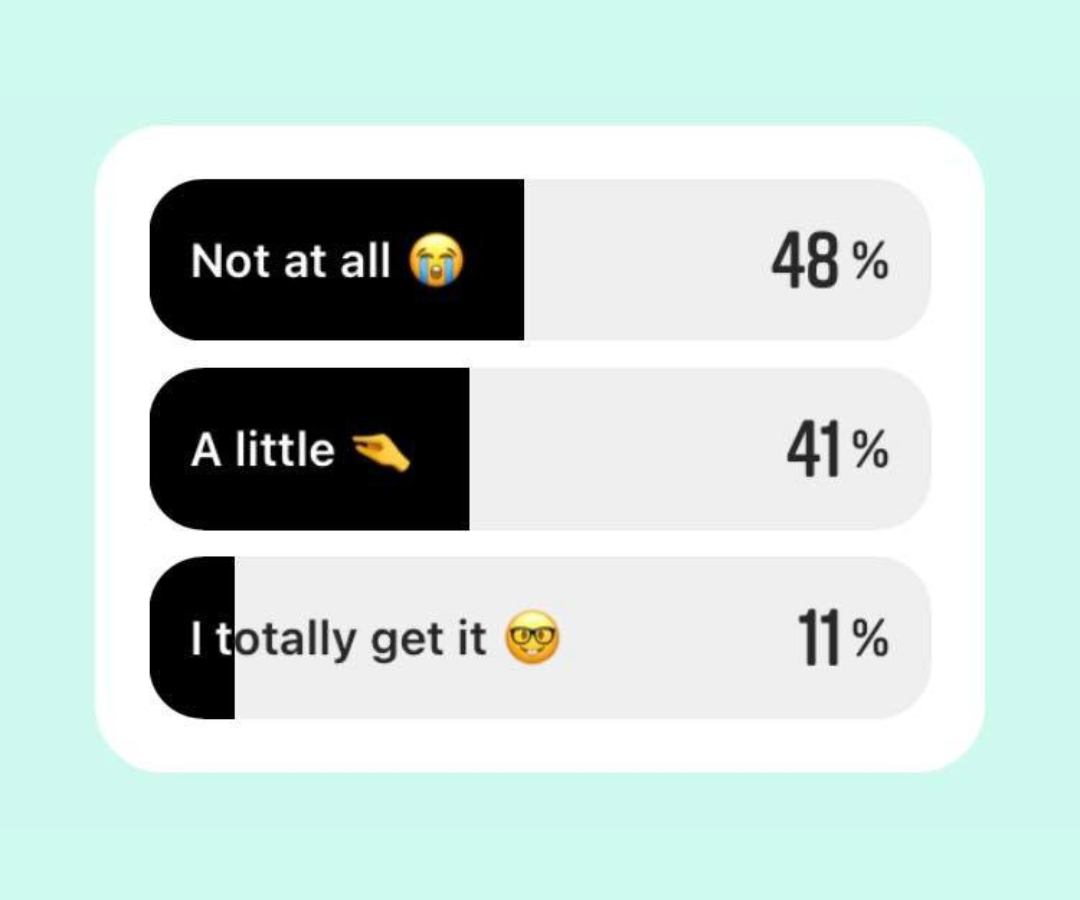
We also asked if you’d consider taking a subject just because you heard it would be scaled higher.

Yeah, nah. Listen up, guys. Subject scaling won’t determine your ATAR ranking as much as you think…

Scaling isn’t about what subjects are objectively ‘easier’ or ‘harder’.
When TISC calculate your ATAR ranking, based on your marks across your subjects, it’s not about whether the subjects you took were objectively ‘easy or hard’.
It’s about comparing your performance to who you’re competing against.
For example—Cody Simpson came fifth in the 100m butterfly at the Commonwealth Games. That doesn’t have the same glitz and glamour as coming first, but it’s impressive on the basis that he was competing against other champion swimmers.
Here’s something we put together earlier.
How does scaling actually work?
TISC looks at how each person taking a certain subject performs across all their other subjects.
If the majority of students in Subject A average, for example, a grade of 50, while the majority of students in Subject B average 65, then Subject B will be scaled higher.
The scaling totally depends on the individual year group and will vary year to year.
You might be wondering why certain subjects like Literature or Chemistry tend to always get scaled upward, and that’s because year-on-year they tend to attract similar students.

So scaling isn’t really something you can find an algorithm for and just apply it to your subject selection.
How much should you factor scaling into what subjects you choose in Year 11 and 12?
We got in touch with the overlords themselves over at TISC (Tertiary Institutions Service Centre) and they had some words of advice.

“Students should select subjects that would engage and may even challenge them to prepare them for their tertiary study and to meet the admission requirements for their intended undergraduate degree,” a representative said.
They stressed that the purpose of scaling “is not to advantage or disadvantage students due to subject selection or school attended.”
Oh, and crucially— “it is not something that students have any control over, and it will affect every student differently.
“Should students try to anticipate the result they may be disappointed with the outcome.”
So, what factors should you consider?
We’ve got the juicy stuff coming.

Check out our article on Five Things to Think About When Choosing Your Subjects for Year 11 and 12.
Next week we’ll be helping you decide whether English or Literature is for you. Stay tuned!