Explained: How Exactly Does the Australian Government and Elections Work?
Your breakdown on the Australian government
With the Australian federal election coming up soon and everyone getting bombarded with political campaigns, social media posts and viral moments, it can be tricky to understand how your vote works and more specifically, how the Australian government system works.
If you’re new to voting this election or maybe you’re not quite clear on how the government in Australia functions, we unpack what they do and how they work.
What are the three levels of government in Australia?
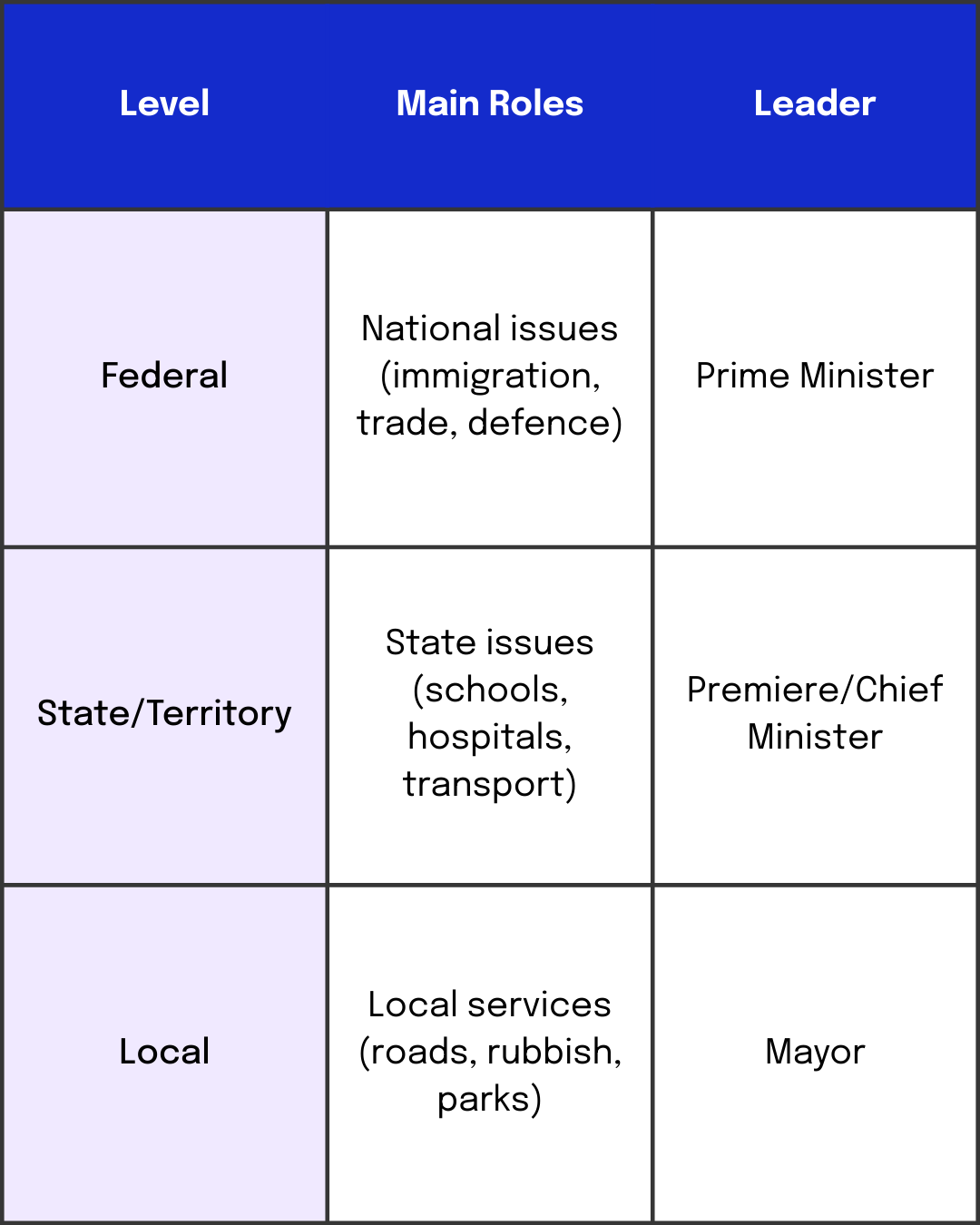
Source: The Australian Electoral Commission
What are the three branches of government?
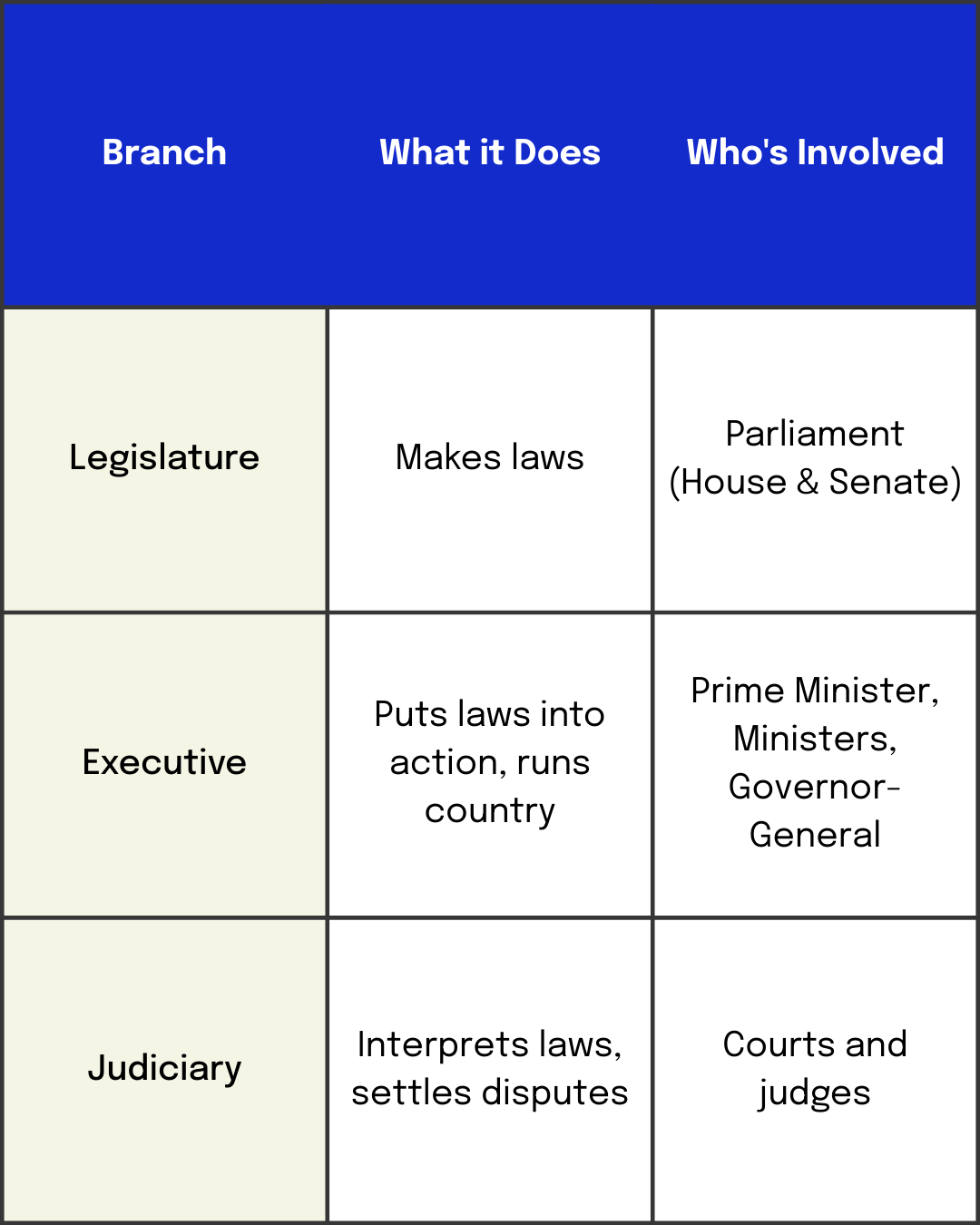
Source: The Australian Electoral Commission
How are laws made in Australia?
- Australians vote in federal elections to choose members of Parliament.
- The party (or group of parties) with the most members in the House of Representatives forms the government.
- The leader of that party becomes the Prime Minister.
- The government proposes new laws, which must be debated and approved by both the House of Representatives and the Senate.
- Once both houses agree, the law is formally approved by the Governor-General.
View this post on Instagram
What's the difference between a minority and a majority government?
- Majority government: The party in power has enough seats to make decisions and pass laws without needing help from other parties.
- Minority government: The party in power does not have enough seats on its own and must rely on support from other parties or independents to get things done.
A minority government must negotiate and compromise more, while a majority government can usually implement its agenda more easily and predictably.
Basically, it means that a minority government in Australia would be one where you don’t have a single party or coalition who have 76 out of 151 seats in the House of Reps. In that situation, there’s a period of negotiation involving the independents, the Greens and so on.
So, bills would be debated in the House of Reps and the Senate meaning other parties or independents can ask for bills to be brought forward, although the government doesn’t have to fulfil that promise.
How does the House of Representatives work?
The House of government – the party or former coalition with the most seats there becomes the ruling party.
If a party or coalition gets 76 or more seats out of a possible 151 after a federal election then they get to form government.
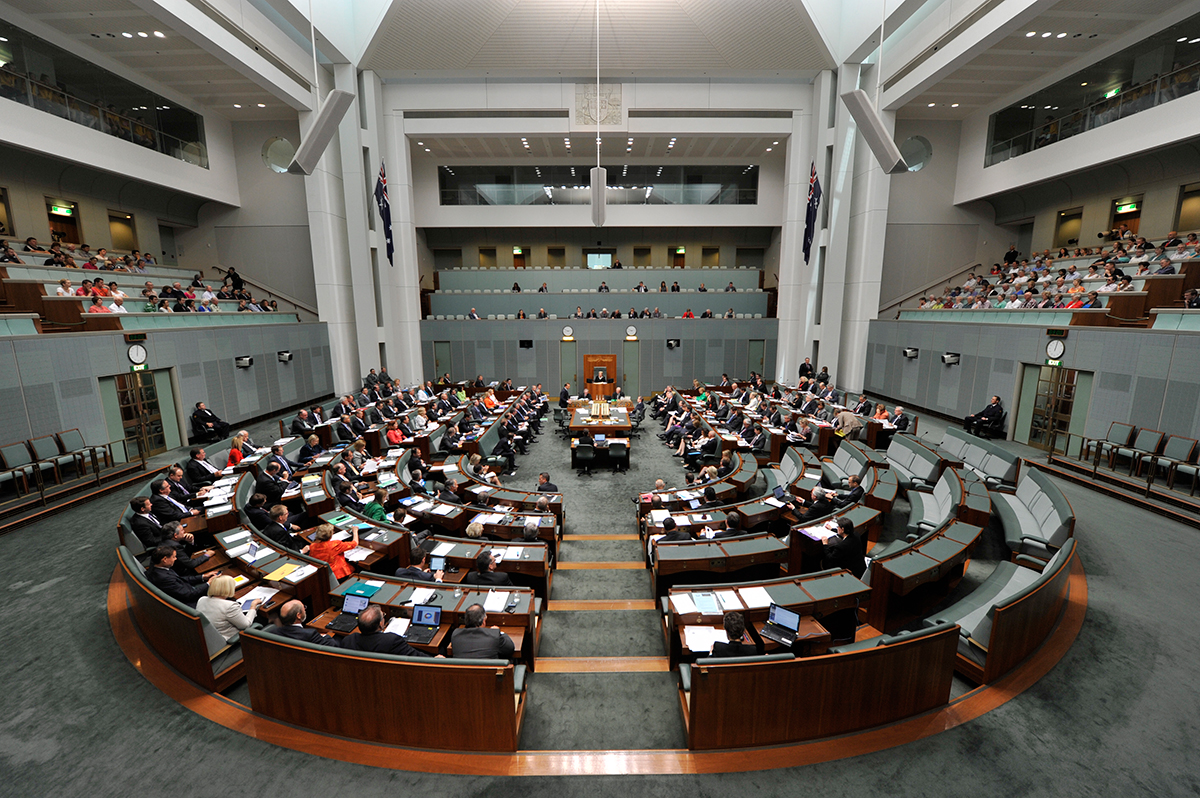
Source: Parliamentary Education Office
The House is where more legislation (called bills) originates before becoming law. Bills still have to go through both houses of Parliament before they become law.
Once a bill’s approved in the House of Reps, it moves to the Senate for further debate and review. If the majority of Senators are cool with the bill, they’ll approve it and it becomes law.
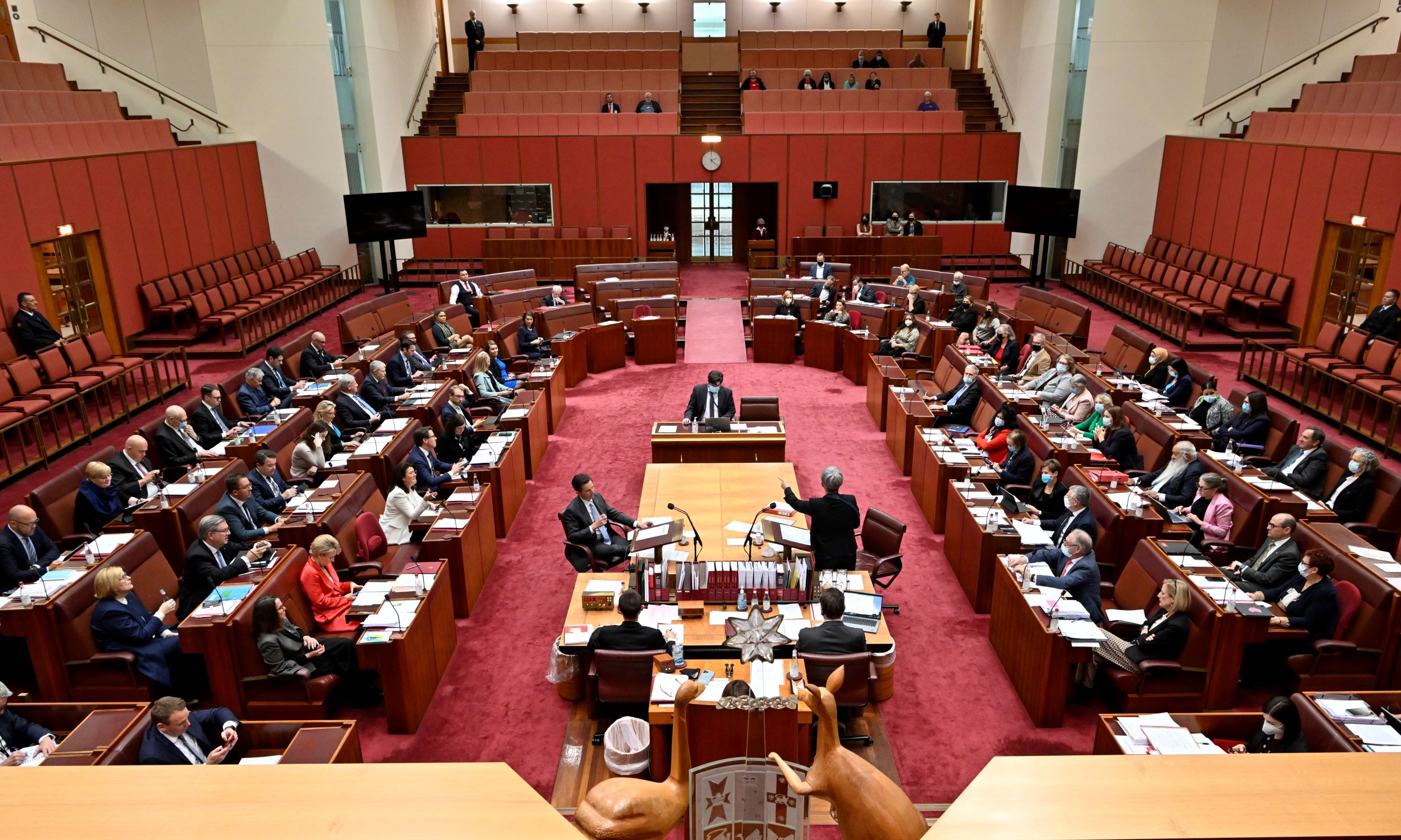
Why are there so many independents and minor parties in the senate?
That’s because of how we vote in the Senate using proportional representation. This means that when a candidate hits the required quota to get them elected, all subsequent votes go to either whoever the candidate has preferenced, or who you as a voter has marked as your second-in-line.
Independents and minor parties, who may not have all the star power they need to hit a quota on their own, are usually elected thanks to preferences of voters who gave their first vote to another candidate.
Source: Parliamentary Education Office
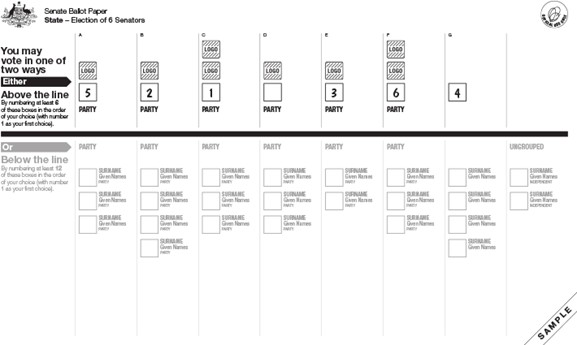
If you’re voting in the Senate, you can vote:
- Above the line: Choose your fave party and let them decide the candidate order.
- Below the line: Choose your preferred candidate in your own order.
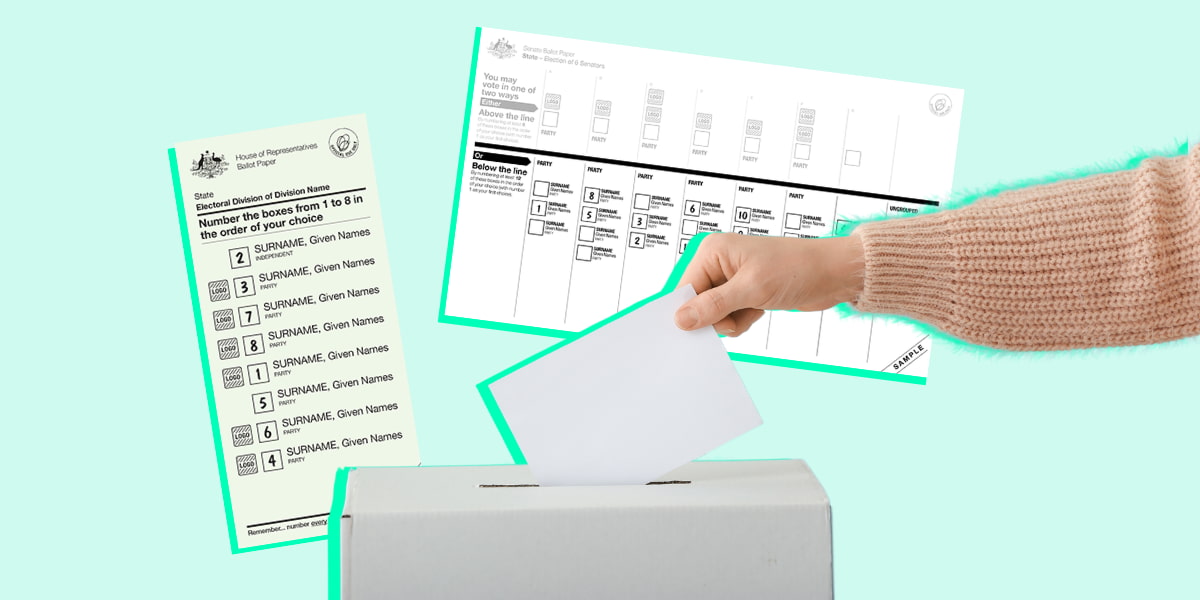
It'll look something like this:
Source: The Australian Electoral Commission
If you want more information on policies of the different parties, how they vote on them and which ones are the most impactful on young people – head to our Instagram or check out sources like theyvoteforyou.org.au or buildaballot.org.au.
Topics
Ref: 4049403c-7487-4361-9bf1-b2c20032508f






Comments & Feedback
Share your opinion
Emoji cheatsheet Formatting Comment guidelines