"Honey Boy" Director Alma Har’el on Making Peace with Her Own Past
It’s not the kind of thing you usually hear from filmmakers: that the last thing they want is for their film to spawn a sequel.
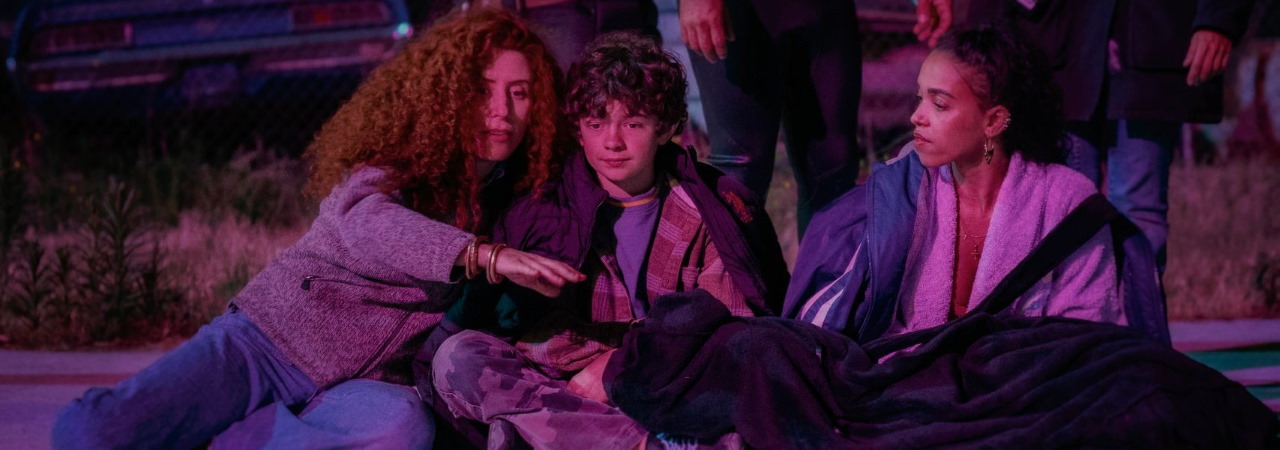
But Alma Har’el—the director of Shia LaBeouf’s self-excavating, therapeutic and semi-autobiographical Honey Boy—wanted to ensure the production of her picture didn’t inspire future trauma for young actor Noah Jupe, who stars as a stand-in for a pre-teen LaBeouf.
"We didn’t want to recreate something that would end up in Honey Boy 2, in his life," she tells Student Edge.
And for good reason. The script to Honey Boy was penned by LaBeouf during his court-ordered therapy, following a string of public flameouts and scandals. In it, Jupe plays adolescent actor Otis Lort, while LaBeouf plays Otis’ father James, modelled on his own conflicted, complicated dad. Lucas Hedges plays the older Otis, struggling with post-traumatic stress disorder from his tumultuous upbringing. If you've read any story about LaBeouf from the past decade, you get an idea of what he's dealing with.
"[Shia] really wrote the script with his therapist, as part of his memory and recollection in exposure therapy," Har’el says.
"She was on board with that and very helpful to me; educated me a lot about PTSD and anger triggers, and all sorts of things that can cause somebody to lose it a little."
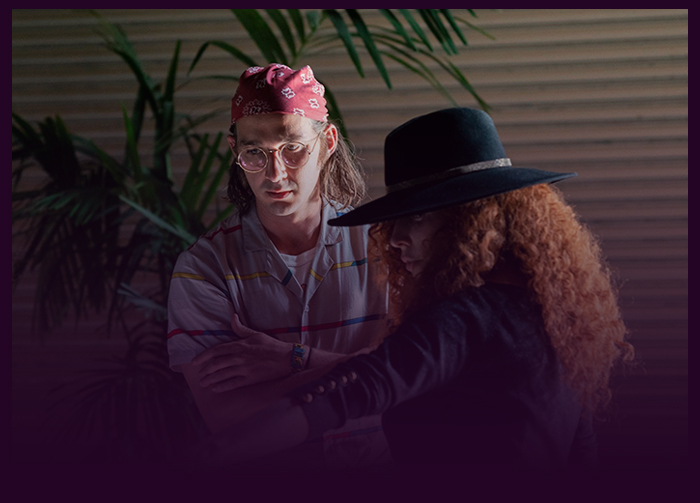
When LaBeouf initially sent Har’el the script, she felt that it rang true to her experiences despite the intensely personal nature of the story.
"I was a child myself of an alcoholic; a very, very different man," she says.
"My father was also somebody who was my best friend. My biggest cheerleader, as we say in the film. And at the same time, could be scary, and could be caught up in his own thing, and his alcoholism."
Read More:
Movie Review: Shia LaBeouf Plays His Own Bad Dad In Honey Boy
Though Shia had originally pitched Mel Gibson to play James, Har’el was insistent that the role belonged to LaBeouf. It was the right decision: beyond the incredible meta performance he delivers, Honey Boy is quite literally a powerful act of empathy from a son to his father, cradled brilliantly by Har’el.
(Many critics agree, including Natalie Portman, who wore a dress to the Oscars with Har’el’s name stitched into it alongside other female directors, in protest of their snubbing by the Academy.)
Har’el says making the kind of peace with your past demonstrated here by she and LaBeouf is not always easily achieved.
"I think those kinds of relationships where you are so wrapped up with somebody—he’s your parent but he’s also your child, in terms of the dynamic, and he’s also your best friend—all of those lines get crossed, [as do] all your ideas of love and care and friendship and pity and fear," she says.
"Untangling that thing has taken me decades, and I think I wouldn’t have had that ability to make films and be a functioning human being if I didn’t do that work.
"I wanted to bring that depth into the film and hope that could carry on into other people's lives, to get going on that path. So they can be liberated from whatever it is that’s still haunting them and keeping them from feeling loved."
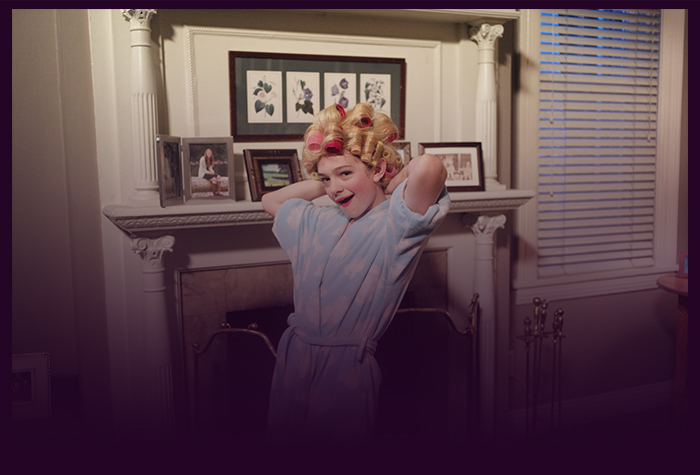
That meant also protecting Jupe, who is only 14 but brings mature depth to the role of Otis, a charismatic up-and-coming child actor trying to navigate parental demons off screen.
"I think there was a huge amount of responsibility," she says of his treatment on set.
"His mother was there with us and was a huge partner. So we worked with that in mind, every day."
Honey Boy arrives in Australian cinemas 27 February 2020. Rated MA15+ for strong coarse language.
Header Image: Sony Pictures