Here’s Why NAIDOC Week Matters (and How You Can Celebrate It)
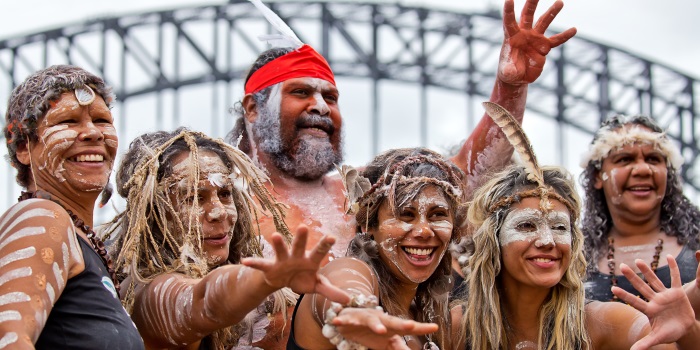
For NAIDOC Week (Jul 7 – 14), a student contributor reflects on the importance of preserving and celebrating Indigenous culture.
Many Australian students—like me—did not have the privilege of being taught about Indigenous culture and history in our school curriculum, nor was it ever a topic of conversation.
And sadly, in my experience, little remains known about the depths of their contributions to society.
Yes, we may have heard about the tales of the traditional lands in primary school, or seen some Aboriginal art here and there. However, the extent of this knowledge for many will be surface-level. Getting to the real depths and intricacies of Indigenous history and culture will definitely tickle your interest, I’m sure of it.
Every year, NAIDOC Week celebrates the milestones of Indigenous communities and encourages Australians from all walks of life to participate. Cities across Australia come together, and whether you’re in the CBD or with your local community, everyone is encouraged to learn and appreciate Indigenous culture.
The root of NAIDOC (an acronym for the National Aboriginal and Islander Day Observance Committee) traces back to the 1920s, but it was solidified by two momentous events in Australian history: the 1967 referendum and the 1992 Mabo decision.
On 27 May 1967, 90 per cent of the Australian population voted to pass a law so that Aboriginal and Torres Strait Islander peoples could be counted in the census. The referendum has remained a triumph for Indigenous rights and marks the assimilation of Indigenous cultures into the Australian footprint.
Eddie Mabo also remains an important part of Indigenous culture; through his courage and strength, we find ourselves in a society that fully recognises the rights of Aboriginal and Torres Strait Islander interests regarding land. The passing of the Mabo decision was a turning point because, for the first time, the connection of land and sea to Indigenous communities was recognised as 'native title'.
NAIDOC celebrations have been ongoing since the 1940s and have grown significantly over the decades. Initially a week of mourning, it has become one of the biggest commemorations of Indigenous history and triumph. Today we celebrate Indigenous culture for its colourful array of languages, arts, dance and music, and for all it has to offer our diverse Australian landscape.
Aboriginal people and Torres Strait Islanders have worked to overcome the negative effects of colonialism, stood up for their rights and land, and ultimately opened up the conversation on cultural diversity. Together, they stand strong and proud of their culture and are fighting to preserve and educate others on the importance of the First Australians.
It is important we also affiliate ourselves with this movement. The hurdles of suppression and inequality are something many of us may never experience in our modern day and age. But we must continue to remember the lessons of the past and do our part to actively create meaningful dialogue and keep Indigenous culture alive.
Find NAIDOC events near you. The 2019 theme is "Voice. Treaty. Truth." and you can read more about it here.
Andrea Au was one of Student Edge’s student contributors. This article was originally published on 5 July 2017.
Header Image: iStock
Topics
Ref: 52995451-b1ad-4cf8-b507-a7a70013c681






Comments & Feedback
Share your opinion
Emoji cheatsheet Formatting Comment guidelines