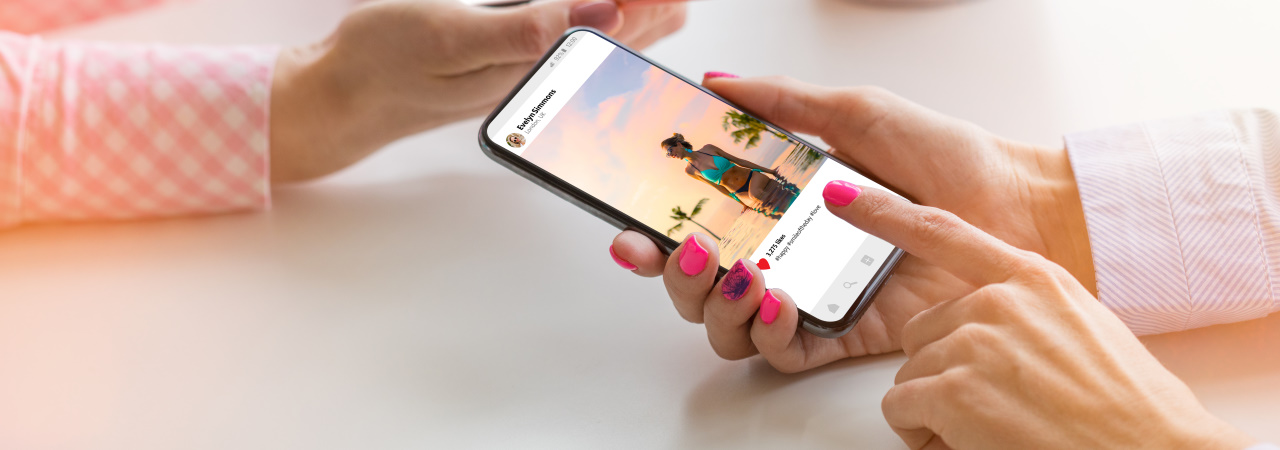
Here's How Instagram Hurts Our Self-Esteem (Plus, What We Can Do About It)
"By nature, we compare ourselves with other people."
Social media platforms like Instagram have become so ingrained in our daily lives that it is hard to separate what is real from what’s heavily filtered. Since the launch of the photo and video-sharing service back in October 2010, we have observed the emergence of numerous editing apps to enhance the overall aesthetic of our photos, and we accepted this as the new norm.
Since then, that manipulation of reality has catapulted to an entirely new level.
Over the past couple of years, apps have emerged that also enable the user to alter their own face and body. Say goodbye to acne scarring, dark eye circles, pale skin or any other perceived imperfection!
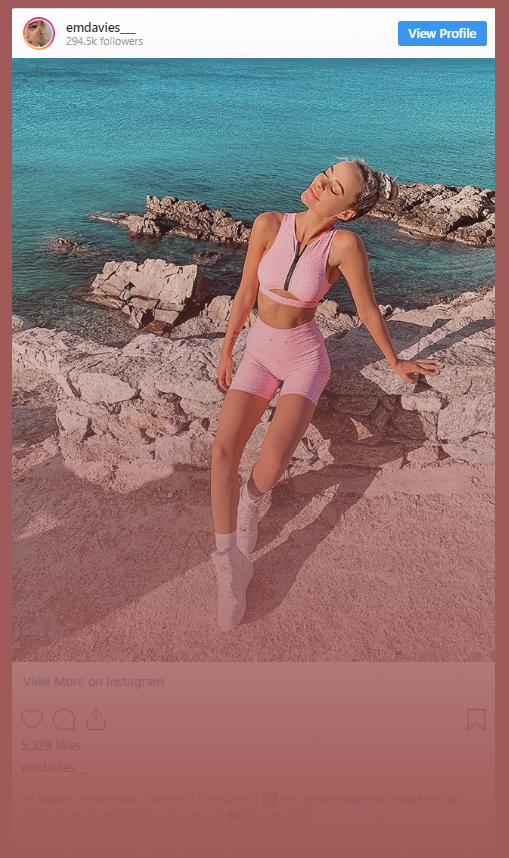
Of course, there is nothing wrong with wanting to look your best in a photo. However, there’s one prominent issue with this degree of editing: we’re forgetting what people actually look like, and we’re comparing ourselves to unrealistic images as a result.
As psychologist and author Dr Marny Lishman tells Student Edge, comparing ourselves to others is completely normal human behaviour.
"We compare to conform," she says.
"If we don’t conform, we fear being thrown out of the pack.
"By nature, we compare ourselves with other people. But years ago, we were just comparing ourselves to the bodies we saw physically during the day. Now, on Instagram, you’re comparing yourself to people who don’t even look real."
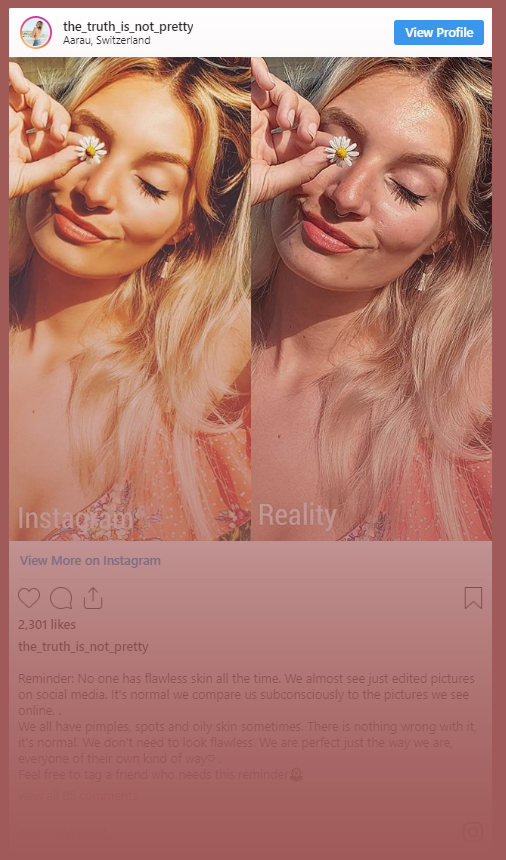
According to Dr Lishman, this comparison can result in feelings of low self-esteem.
"It can lead to us feeling like we’re not perfect, and like we’re going to be judged negatively if we don’t look like that," she says.
"It’s kind of an impossible challenge for young people these days. We’re sizing ourselves up against something that’s not even attainable."
I don’t know what real skin looks like anymore. Makeup ppl on instagram, please stop with the smoothing (unless it’s me) just kidding (I’m torn) ok maybe just chill out a bit. People of social media just know: IT’S FACETUNE, you’re beautiful, don’t compare yourself to people ok
— christine teigen (@chrissyteigen) February 12, 2018
The social media platform has already taken some measures to help reduce its effect on users’ self-esteem. Last year, they decided to test hiding the number of likes from people worldwide.
While it’s undoubtedly a step in the right direction, Dr Lishman says it’s probably not groundbreaking enough to have any significant impact.
"It would be nice if they would remove all likes completely," she says.
"That would be good, because it would become more like a vision board, without the reinforcement."
So, how do we stop it from affecting us?
The answer seems simple: stop using it. Yet it’s not always that easy. As Dr Lishman explains, the positive affirmations we receive from likes and comments often keep us hooked.
"If you’re putting a selfie out there and someone positively reinforces it, it makes you feel good because you get that hit of dopamine," Dr Lishman says.
So instead of trying to remove yourself from the platform altogether, she suggests unfollowing any accounts that make you feel stressed or anxious.
"All of us really need to do a bit of a cull of who we follow on Instagram every few months," she says.
"Sit there and think, 'Does this account make me feel inspired, or does it make me feel bad?'"
Additionally, Dr Lishman reiterates the importance of finding your own identity on Instagram.
"Young people are trying to form their identity, so it’s hard to know what you want to portray to the world," she says.
"But I’d bring it back to basics and ask yourself before you’re going to post, 'Why am I doing this? Am I doing it for myself, or am I doing it for other people?'"
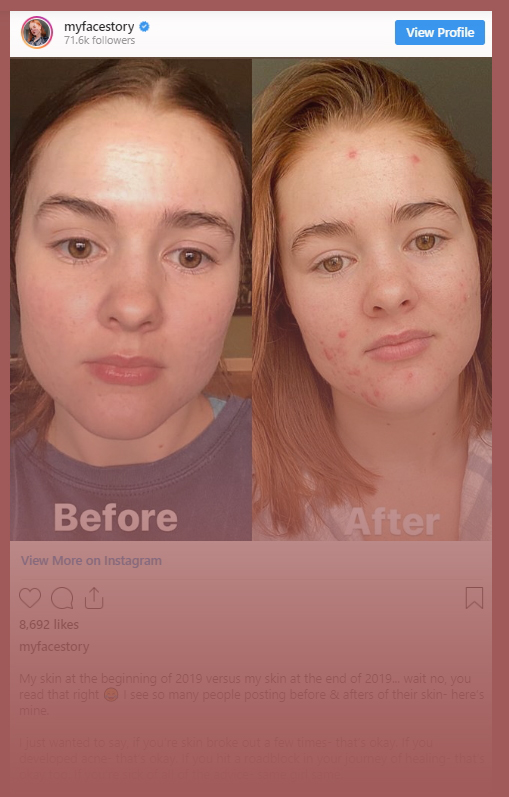
There are undeniable benefits to being on Instagram. It helps us connect to the world around us and there are countless inspiring people and accounts posting valuable content every day. Plus, for young people interested in starting their own small business, it’s basically a necessity.
"It gives you a sense of being part of something that’s bigger than yourself," Dr Lishman admits.
"It’s the user and what you’re doing with your own behaviour that can make it a good thing for you, or a negative thing."
Header Image: grinvalds / iStock / Getty Images Plus via Getty Images