Students Are Winners In This Year’s Budget – That And More From the 2022-3 Federal Budget
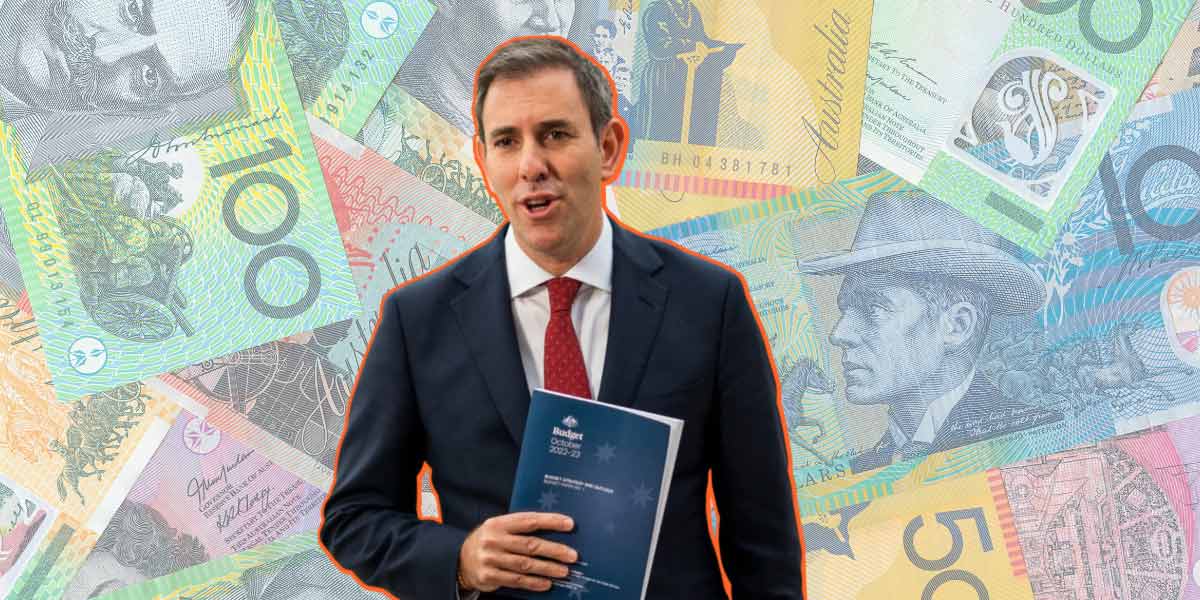
Let’s get fiscal.
Yesterday was every accountant and politician’s favourite day of the year: budget day.

The Labor Government handed down their first federal budget since winning the election in May last night.
The document (which tops out at a massive more than 900 pages long) sets out the government’s policies and priorities for the coming 12 months and where and how they’ll spend taxpayer money.
I love budget night… reminds me of my childhood for some reason pic.twitter.com/2Q6P0bc4W4
— Griptread (@Griptread) October 25, 2022
To put it simply, every year, the Treasurer and Minister for Finance get together and set out a spending plan for all the government’s money.
This budget, the honour went to Treasurer Jim Chalmers and Finance Minister Katy Gallagher, delivering Labor’s first budget in ten years. It’s actually the second budget we’ve had this year, as the then Liberal government delivered their own budget ahead of the election in March.
It’s Canberra’s night of nights, as all the politicians gather in Parliament to hear the speeches, read the budget and share their opinions on its terms. Journalists also get swept up in the ‘fun’ as they get locked in a room for six hours without the internet to read the budget and eventually report it.
That all went down yesterday, so now we’ve all got access to the gargantuan document – so here’s a breakdown of what it contains, who wins and who loses.
Students and education.
One of the biggest winners in this year’s federal budget are students and the education sector.
The government announced that over the next five years, they’ll be providing funding for 480,000 free spots at TAFE, to address significant skills shortages.
They’re also spending $50 million to improve and modernise TAFE campuses and facilities across the country.
For those wanting to go uni, there’s good news too. The government has pledged nearly $500 million to university students to bring 20,000 extra Commonwealth-supported uni placements from next year.
There’s also major funding for schools, with $200 million pledged for student wellbeing and another $270 million for improving school ventilation and air quality.

The health industry.
As we recover from the pandemic, the government’s been looking pretty closely at our healthcare system, and have made some big commitments.
This includes more than $400 million to go towards new cancer centres in Adelaide and Brisbane, $235 million for new urgent care clinics, as well as grants to increase the capability of healthcare providers like General Practitioner Clinics.

They’ve also announced that just under $800 million dollars will go towards reducing the cost of prescription medicines for consumers.
There’s also a big boost to the COVID-19 response, which will involve a nearly $1.5 billion dollar effort to increase testing, improve vaccine uptake and assist response.
Unfortunately, there hasn’t been a huge boost for mental healthcare, with only $24 million allocated for more Headspace centres.
The climate.
Fighting the climate crisis was one of Labor’s biggest election priorities, and they’ve come out swinging against it.
In total, the Government’s committed to $20 billion to upgrade the Australian energy grid, including $800 million that’s been allocated to increasing clean energy in Australia, and an extra $500,000 to be spent on developing a strategy to fight climate change over the next year.
There’ll also be a tax cut for electric vehicles, and $200 million in funding for the Great Barrier Reef.
Workers and wage earners.
Wages don’t look great over the next few years unfortunately. With inflation expected to peak in December, pay growth isn’t expected to catch up until at least 2024. There’s also an expected rise in electricity prices which are set to rise again this year, putting even more pressure on Australians’ wallets.
The government's also included some updates to workplace laws, like making the gender pay gap more transparent and increasing job security.
There’s also been no increases to welfare programs like Youth Allowance, which could mean a lot more pressure on students as prices go up, but income stays the same.

That’s just a taste of what took place in this years budget, but there’s a whole lot more contained within the nearly 1000 pages of economics – with increases to women’s safety protections, hiked federal fines, improvements to the NBN and much much more.






Comments & Feedback
Share your opinion
Emoji cheatsheet Formatting Comment guidelines