Choosing A Bank Account
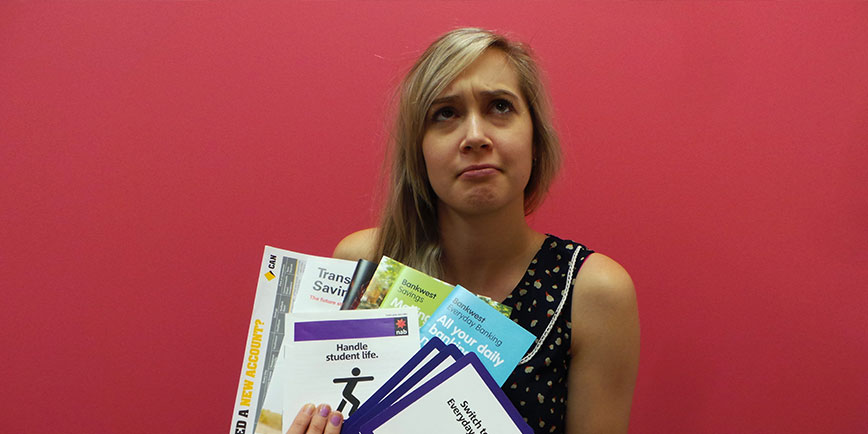
How do you choose which account is right for you, and what should you look out for?
Talking to your parents, teachers or bank employees are a really good idea, but here’s some things to look out for or ask about when you do.
Bank Account, Transaction Account or Everyday Account
Confusingly these accounts are actually the same. Different banks use different terms, but the key account features remain the same. When choosing your own bank account you are looking for an account that allows direct deposits to a BSB and account number, access to allow you to spend and withdraw from the account and access to view and manage your account.
Helpfully, most Australian banks have dedicated student accounts. Researching and comparing student accounts from different banks might be a great first step to choosing your bank account. Check their websites, or pop in to a branch and ask for information about student banking.
Avoid Fees
Almost every bank in Australia offers fee free student banking, so make sure you check when choosing your account. As a student, and even once you’ve finished study, you should be able to find an account that:
- Has no monthly or annual fees
- Has no fees for depositing money into your account
- Has no ATM withdrawal fees from that bank
- Has no card fees – whether EFTPOS or a MasterCard or Visa Debit
There will always be some fees for additional services, such as international transfers, foreign exchange, but make sure that you check the day to day fees and the services you intend to use, and you should be able to avoid fees for everyday banking.
Access to Your Money
Good money management begins with knowing how much money you have and how much money you can spend. Most banks offer online banking to manage your account and mobile banking which lets you check your balance on the go. Make sure that the account you choose has the access and controls you want over your money.
EFTPOS, MasterCard or Visa Debit Card
A payment/ATM card is usually optional when opening a bank account. Most people choose to have a card for the convenience of being able to buy in store with their card or withdraw money from their account without having to visit a branch. When choosing a type of card, you might want to consider the following:
- EFTPOS card – available for most ages, for use in Australia only, cannot be used to buy online
- MasterCard/Visa Debit – usually available if 15 or 16 years or older, for use in Australia and overseas, can be used to buy online
In order to open an account you will need to verify your identity. Once you’ve made your decision of which account to open, check with the provider to see what their policy requires, but you may need to provide your birth certificate, or passport if you have one, and depending on your age you may also require your parent or guardian’s consent. Checking what you need before visiting a branch or starting your application online will ensure smooth and easy account opening.
Interest, Tax and Tax File Numbers
Interest is income, and as such is taxed. Most everyday transaction accounts don’t pay much interest, but if you have savings accounts as well it might be worth making sure the bank has your tax file number.
Having Your Tax File Number means the bank can charge you the correct rate of tax and make sure you get all the interest you deserve.





Comments & Feedback
Share your opinion
Emoji cheatsheet Formatting Comment guidelines