The ‘Belly Button Challenge’ Is Taking Over The Internet, But Here's Why It's Pointless

A weird, kind-of painful new fad is sweeping the Internet, ever since it originated on China’s version of Twitter, Weibo, last week.
Called the ‘Belly Button Challenge,’ it requires you to reach one arm around your back and touch, well, your belly button. (This writer tried it, failed and now has a sore shoulder.)
It was originally believed that the challenge was inspired by a U.S. study that implied it could measure whether or not you need to lose weight.
But… nope. No such study exists.
Health.com spoke to the medical director of the Duke University Diet and Fitness Center, Ronald S. Sha, MD, who confirmed the challenge doesn’t reflect body health in any way.
“It’s much more a reflection of a person’s upper extremity flexibility and arm length than of a healthy weight,” he said.
In fact, though waist circumference is one factor used by doctors to evaluate someone’s risk of heart disease, having a small one doesn’t get you out of the woods.
As Health reports, people who are “thin” are still at risk of carrying unhealthy fat internally.
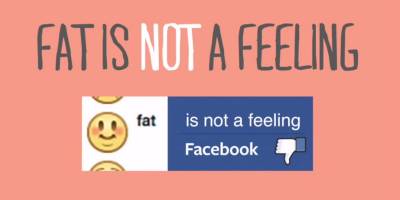
A spokesperson from eating disorder charity Beat told the Huffington Post that the ‘Belly Button Challenge’ poses a real threat to those with negative body image.
"Eating disorders are complex and multi-causal so while social media in itself is not sufficient to cause an eating disorder, being constantly bombarded with images of others, and constant – sometimes unfavourable – comparisons can be toxic for those susceptible to an eating disorder.”
So, feel free to bend yourself into a pretzel and compare the results with friends, but don’t buy into the idea that succeeding makes you healthy, or that failing means you need to lose weight.
All the ‘Belly Button Challenge’ really proves is whether or not you have strangely long arms.
Topics
Ref: 21f8ceff-28b5-4976-a1e9-a4ba002a82e8




Comments & Feedback
Share your opinion
Emoji cheatsheet Formatting Comment guidelines