The History of Australia’s Oldest and Largest Spy Agency
This article is presented in partnership with the Australian Signals Directorate.
Yeah, we’ve all seen the spy movies, but what’s the true history of intelligence in Australia?
Picture this – it’s 1942, three years into WWII and fierce fighting continues.
For the first time in history, radio signals and intelligence and the information they provide, are key to winning a global war. With the war against Japan in the Pacific, Australia is at the frontline of history.
In 1942, the Australian Defence Force brought together personnel from the Army, Navy and Air Force to form the ‘Central Bureau’ and Fleet Radio Unit Melbourne (FRUMEL).
These units were charged with the task of intercepting Japanese radio signals, tracking communications, decrypting coded messages, and supplying information and intelligence to the Allied Forces.
Women were at the forefront of Australian signals intelligence - part of this work was undertaken by a group of women from the Australian Women’s Army Service – the ‘Garage Girls’.
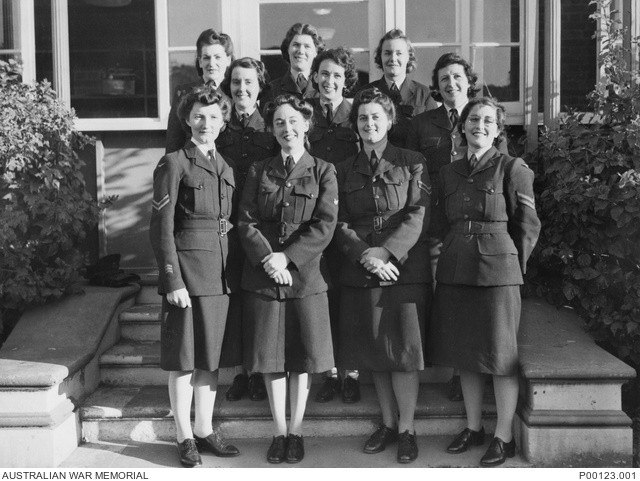
Women's Auxiliary Australian Air Force (WAAAF). Image: Australian War Memorial.
They got their name because they worked in a garage at Central Bureau HQ ‘Nyrambla’, Queensland, where they received and sent encrypted communications on Japanese movements and intelligence.
The work of these units was exceptional – without their work during the last three years of the war, Allied forces wouldn’t have had the necessary information to win the war as quickly as they did.
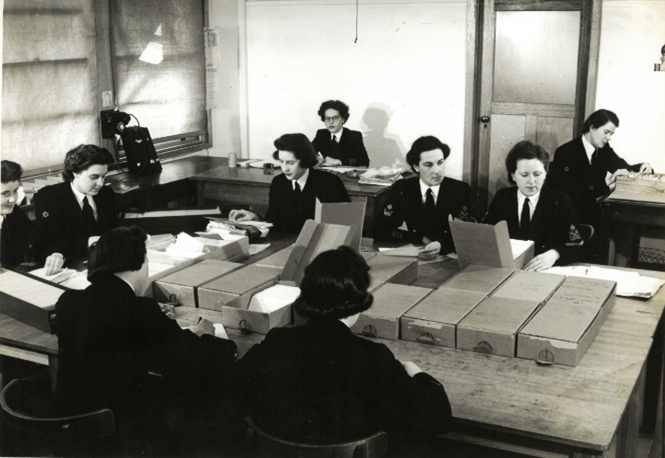
The file room at FRUMEL. Image: National Archives of Australia.
After Japan surrendered in 1945, Central Bureau and FRUMEL were disbanded – but not for long.
These units laid the groundwork for Australia’s first ever peacetime signals intelligence agency – what would become the Australian Signals Directorate as we know it today.
In 1947, the agency was launched as the Defence Signals Bureau (DSB), and was tasked with monitoring foreign communications and protecting Australia, a task that would become incredibly important as the Cold War got underway.
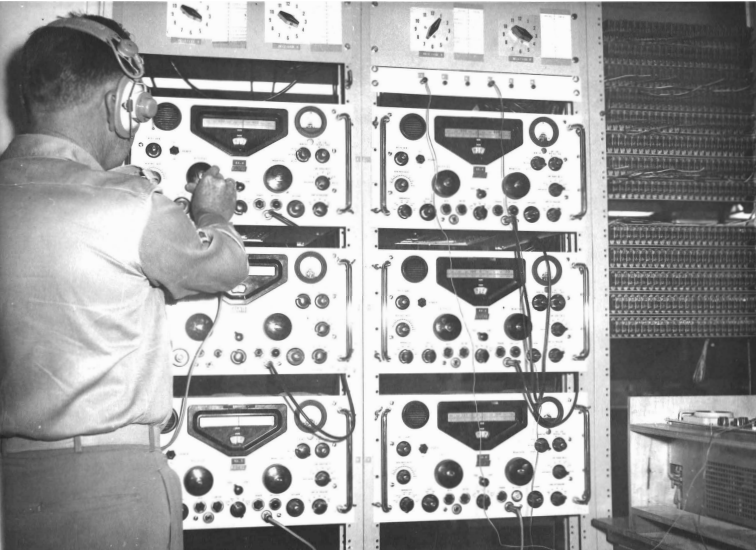
An operator receiving signals. Image: Australian Signals Directorate.
Until 1977, the existence of DSB was never formally recognised by the Government. DSB was regarded by the Australian command as the most valuable source of military intelligence, its secrecy was key.
During this time, DSB intelligence officers worked closely with their allies in the United States, United Kingdom, Canada and New Zealand to collect foreign communications that would help Australia stay one step ahead.
They continued to be active in supporting Australian military operations, especially in conflicts like the Vietnam War where 547 Signal Troop worked together with the US to help defend South Vietnam.
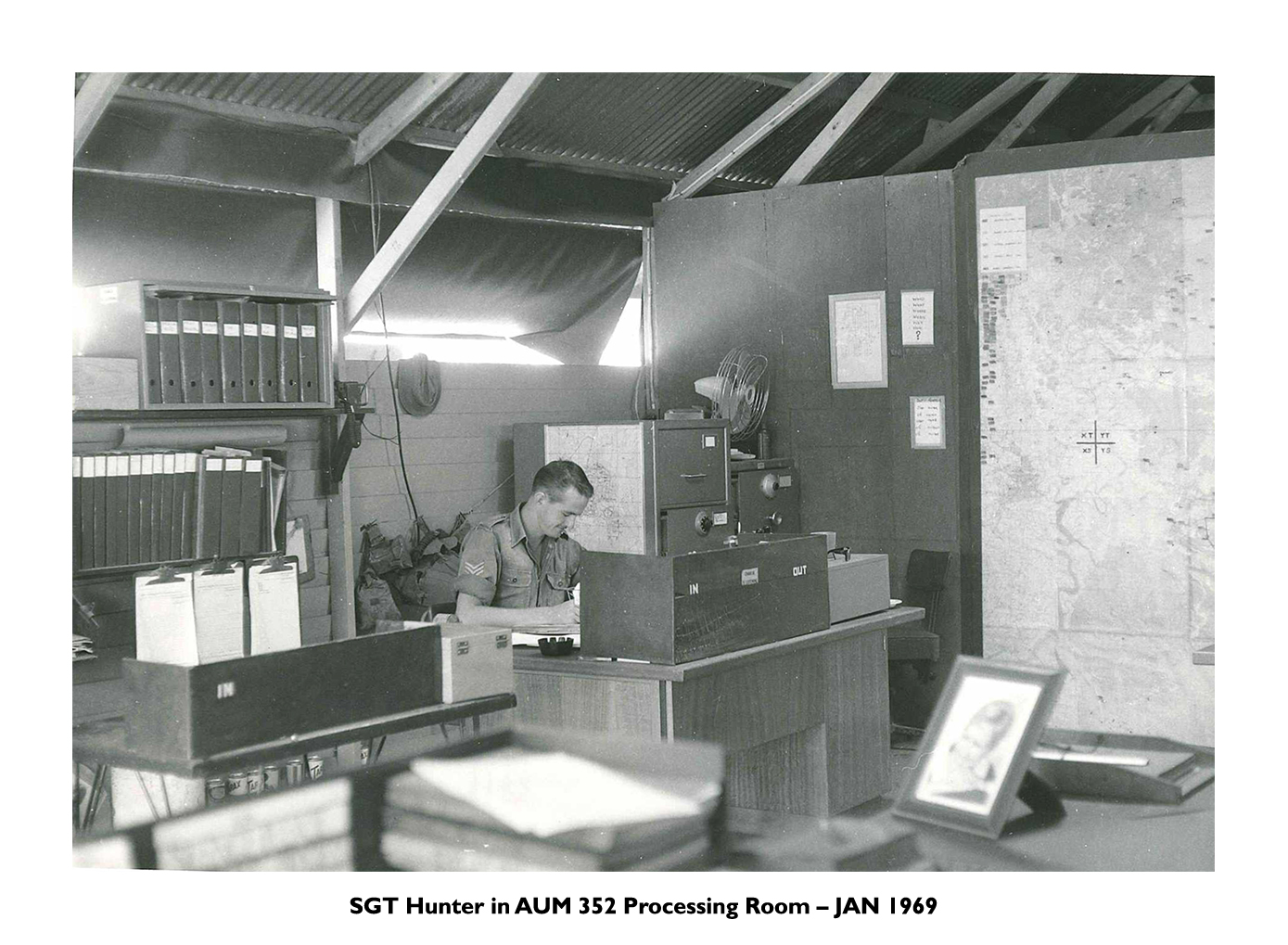
The 547 Signal Troop processing room. Image: Australian Signals Directorate.
When the Hope Commission recommended the agency be formally recognised, the then Prime Minister Gough Whitlam renamed DSB the Defence Signals Directorate (DSD).
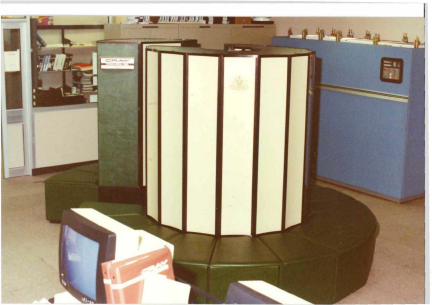
Australia's first supercomputer. Image: Australian Signals Directorate.
In 2013, the Directorate was renamed the Australian Signals Directorate (ASD) to reflect the whole-of-government approach to supporting Australia’s national security.
Today, ASD remains a vital member of Australia’s national security community, and one of six national intelligence agencies. It works closely with its international ‘Five Eyes’ partners through an agreement that solidifies its unique relationship with the US, UK, Canada and New Zealand signals intelligence agencies.
ASD continues to lead Australia’s efforts in the collection of foreign intelligence, cyber security, and more recently the conduct of offensive cyber operations. And to achieve this, it stays at the forefront of technology advancements to help keep Australia secure.
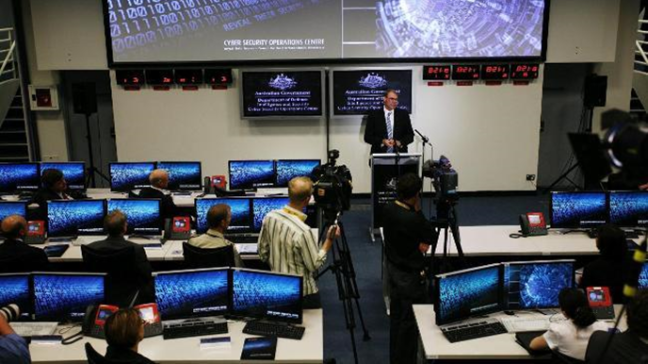
The opening of the Cyber Security Operations Centre in 2010. Image: Australian Signals Directorate.
ASD has a long and storied history protecting Australia’s national security, and we've only scratched the surface. To learn more about their history, head here for a deep dive into their 75 years.
Authorised by the Australian Government, Canberra.